Keyboard LEDs Can Be Exploited for Covert Data Exfiltration from Air-Gapped Systems
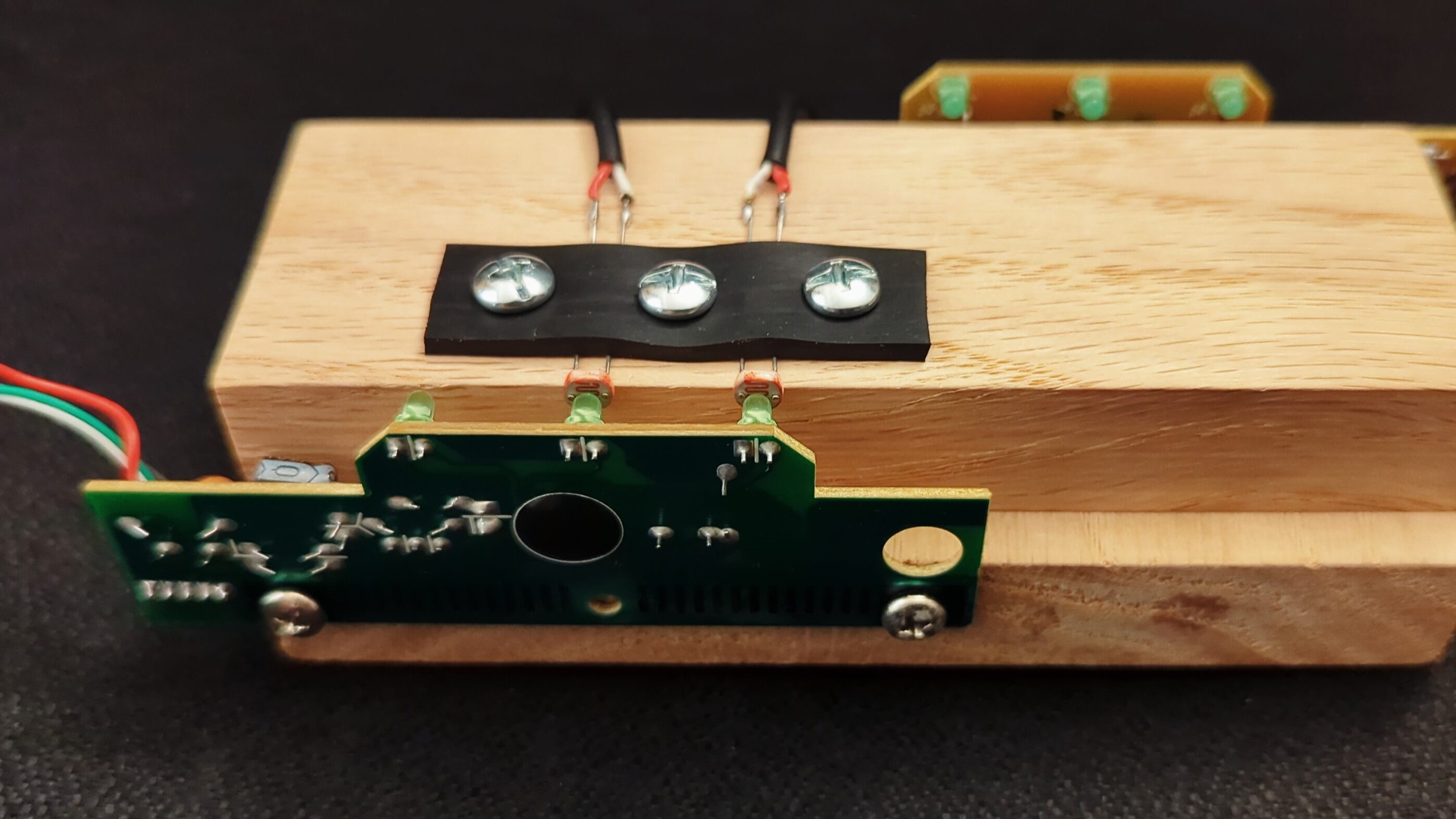
Researchers have identified a novel method for extracting data from air-gapped computers, a significant security concern given the sensitive nature of such systems. Air-gapped machines are isolated from external networks, making traditional cyberattacks impossible. The new attack vector exploits the blinking LEDs found on standard computer keyboards, such as those for Caps Lock, Num Lock, and Scroll Lock.
By subtly manipulating the timing and patterns of these LED signals, attackers can encode and transmit data. This "keyboard light" attack requires physical proximity to the target machine, as the light signals are transmitted via infrared. The data is then captured by a nearby receiver, such as a smartphone equipped with an infrared sensor. This method bypasses standard network security protocols, as it doesn't rely on any network connection. The researchers demonstrated that this technique could successfully exfiltrate data at a rate of 20 bits per minute, which, while slow, is sufficient for transmitting sensitive information over time. This discovery highlights a previously overlooked vulnerability in the physical interaction layer of computer security.
This research exposes a potential vulnerability in the physical interface of computing, particularly relevant for high-security environments relying on air-gapping. The exploitation of keyboard LEDs for data exfiltration, while requiring physical proximity, bypasses conventional network defenses. This suggests that security strategies must evolve beyond network perimeter protection to encompass the full spectrum of physical and electromagnetic emanations. Future systems may need to incorporate countermeasures against such covert signaling, potentially through LED signal modulation or dedicated shielding, to maintain the integrity of air-gapped environments in an increasingly interconnected world. The low data transfer rate indicates this is likely a method for transmitting small, critical pieces of information rather than large datasets.
AI-generated to prompt reflection — not editorial opinion, not advice, not a statement of fact. How this works.