KGMU Hostel Mess Bans Non-Vegetarian Food Following Governor's Inspection
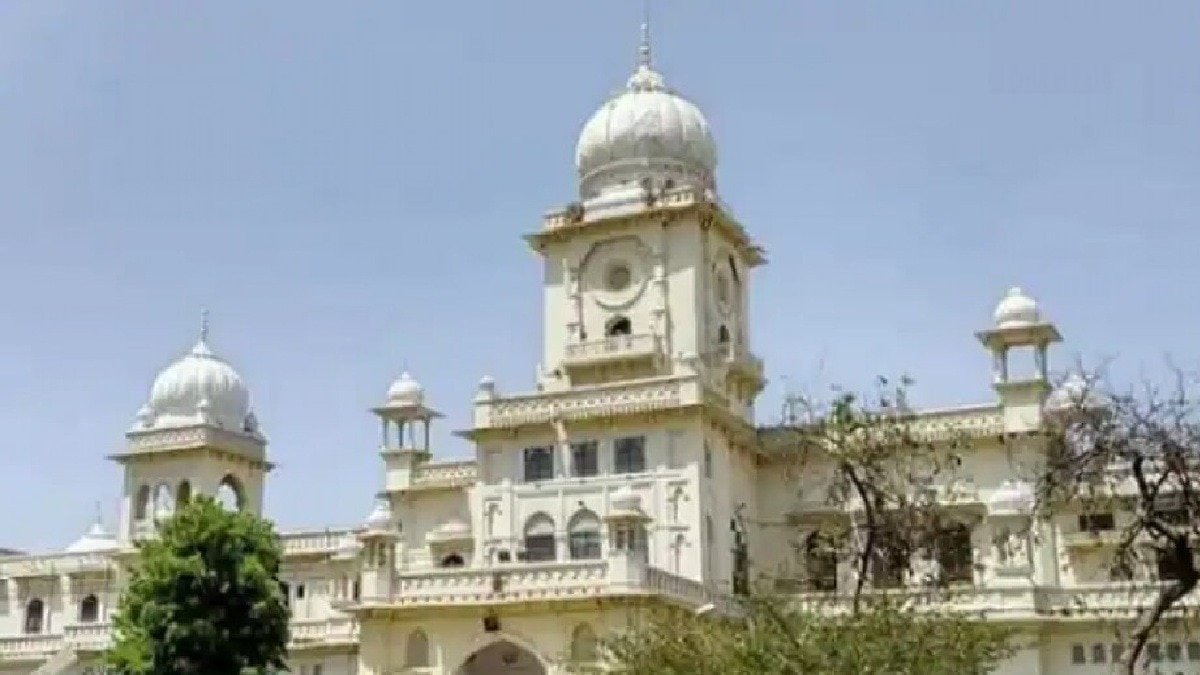
The administration of King George's Medical University (KGMU) in Lucknow has prohibited the cooking and serving of non-vegetarian food in its hostel mess. This decision was made after an inspection by Governor Anandiben Patel. The ban aims to regulate the food options available to students within the university's residential facilities. In a separate incident within the capital city, a young man had to have his hand amputated following a food pipe surgery at Lohia Institute. This unfortunate event has caused significant concern and alarm. The two incidents, one concerning dietary regulations and the other a medical complication, have drawn attention to different aspects of student life and healthcare within Lucknow.
The KGMU administration's decision to ban non-vegetarian food in the hostel mess, prompted by a gubernatorial inspection, highlights the influence of high-level oversight on institutional policies. Such directives can reflect a variety of underlying motivations, including adherence to specific dietary or religious norms, or a broader push for standardization. From a governance perspective, it raises questions about the balance between institutional autonomy and external directives, and how such decisions impact student welfare and choice. The contrasting event at Lohia Institute, involving a severe medical complication, underscores the critical importance of robust safety protocols and post-operative care in healthcare settings. These disparate events, one administrative and the other medical, serve as reminders of the complex systems governing daily life and well-being, and the potential for both regulatory actions and operational failures to significantly impact individuals.
AI-generated to prompt reflection — not editorial opinion, not advice, not a statement of fact. How this works.