Khamenei Funeral: A Display of Unity Amidst Deep Division in Iran
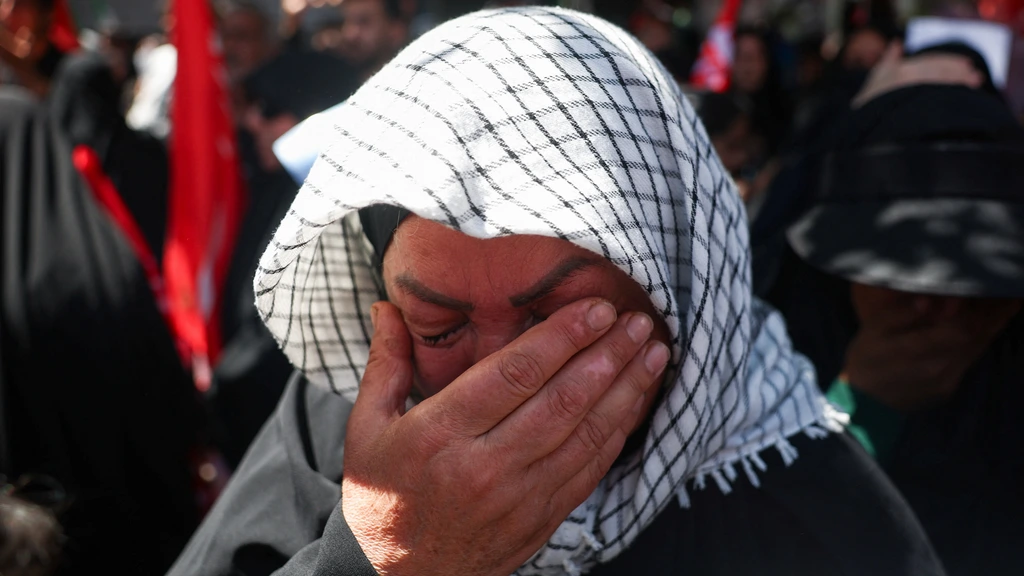
The six-day funeral ceremonies for Iranian leader Ali Khamenei, attended by millions in Iran and Iraq, concluded in Mashhad. Dubbed the "funeral of the century" by the regime, these events were intended to project unity and strength, particularly amid renewed tensions with the U.S. However, voices within Iran suggest a starkly different reality, with many citizens expressing opposition to the current leadership. Anonymous sources speaking to NOS described widespread dissent, with some stating they did not mourn Khamenei's passing and that official narratives of mass support are misleading.
Iran expert Peyman Jafari estimates that while millions may appear at public events, they represent a minority of the country's 90 million population, many of whom are critical of the regime. The government's extensive efforts to publicize the funeral, including inviting foreign journalists and influencers, highlight the regime's attempt to control the narrative. The funeral procession traveled from Tehran to Qom, Najaf, and Karbala before its final stop in Mashhad, coinciding with renewed attacks on infrastructure leading to the city.
Further complicating the situation, Khamenei's son and presumed successor, Mojtaba Khamenei, has not publicly appeared since his father's death, possibly due to security concerns or injuries sustained during wartime. Internal divisions are also reported among the ruling elite, with some sources suggesting an intensifying power struggle and a lack of clear leadership. Jafari believes the regime faces significant challenges in reconciling with its opposition and that internal factions, including hardliners and reformists, are deeply divided. Economically, the country is experiencing chaos with rising prices, widespread bankruptcies, and job insecurity, leaving citizens with uncertain short-term prospects.
The extensive funeral ceremonies for Ali Khamenei served as a state-orchestrated display of national unity and regime resilience, strategically amplified through media engagement and international invitations. This narrative, however, appears to contrast with internal sentiments reported by anonymous citizens and expert analysis, which suggest a significant segment of the Iranian population remains disaffected. The juxtaposition highlights a core challenge for authoritarian regimes: managing public perception versus addressing underlying societal and economic grievances. The reported internal divisions within the leadership and the economic instability further complicate the succession process and the regime's long-term stability. Looking ahead, the ability of Iran's leadership to bridge these internal divides, address economic pressures, and reconcile with dissenting voices will be critical in navigating the complex geopolitical landscape and the evolving socio-political dynamics of the next decade.
AI-generated to prompt reflection — not editorial opinion, not advice, not a statement of fact. How this works.