Khamenei's Funeral and the War of Narratives: What Message Did the Regime Aim to Convey?
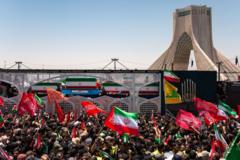
The funeral procession for Ali Khamenei, the former Supreme Leader of the Islamic Republic, served as the first major political test for Iran's government following his death. This event presented a significant opportunity to shape the narrative surrounding his passing for both domestic and international audiences. The regime sought to leverage the funeral to project a specific image and message, influencing public perception and potentially solidifying its political standing. The handling of the funeral and the accompanying rhetoric were crucial in this endeavor to control the story of Khamenei's legacy and the future direction of the country. The government's objective was to manage the transition and demonstrate continuity and stability in the face of a significant leadership change. This carefully orchestrated event aimed to reinforce the existing political structure and its authority.
The funeral of a prominent political figure like Ali Khamenei presents a critical juncture for state-controlled narratives. The Iranian government's efforts to shape the public's understanding of his death and legacy highlight the strategic importance of memorial events in political communication. By controlling the messaging around the funeral, the regime likely aimed to reinforce its legitimacy and project an image of national unity and continuity. This approach is common globally, where states often utilize such occasions to consolidate power and influence public opinion, particularly in the face of potential internal or external challenges. The success of such narrative control, however, depends on the audience's receptiveness and the broader geopolitical context, which can introduce alternative interpretations and narratives.
AI-generated to prompt reflection — not editorial opinion, not advice, not a statement of fact. How this works.