Khamenei's Sons Attend Funeral Amid Uncertainty Over New Supreme Leader
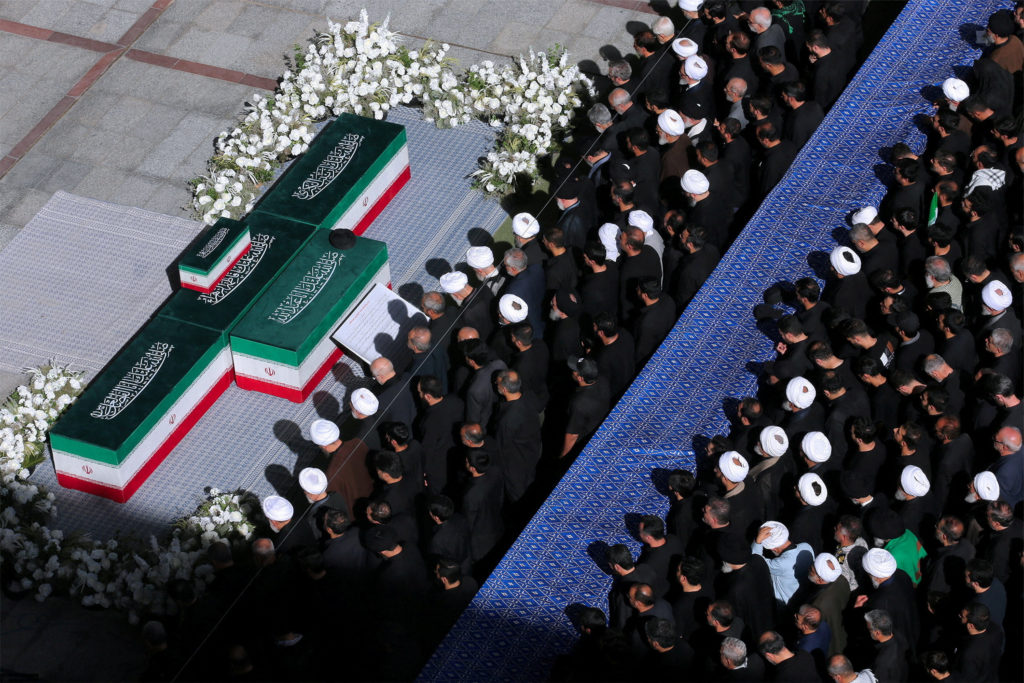
The funeral of Supreme Leader Ayatollah Ali Khamenei was marked by the appearance of his sons, signaling a potential transition of power within Iran. This event occurred while the identity and whereabouts of his successor, the new supreme leader, remain undisclosed, fueling speculation about the internal dynamics of the Iranian regime. The funeral also served as a platform for Iran to project a message of unity and defiance on the international stage. Specifically, Iran reiterated its demand for control over the Strait of Hormuz, a critical global energy chokepoint. This assertion of control was previously demonstrated when Iran shut down the waterway during a past conflict, highlighting its strategic importance and willingness to leverage it. The funeral proceedings, therefore, carried both internal political weight and external geopolitical messaging.
The funeral of Ayatollah Khamenei, attended by his sons, presents a complex picture of succession and statecraft. The public display of familial presence may be intended to project stability and continuity, yet the continued 'hiding' of the new supreme leader suggests potential internal divisions or a deliberate strategy to manage the transition away from public scrutiny. Iran's simultaneous assertion of control over the Strait of Hormuz, a vital global energy artery, underscores its persistent geopolitical leverage and willingness to employ it as a bargaining chip. This dual messaging—internal consolidation and external assertiveness—reflects a regime navigating the inherent tensions between domestic power structures and international influence, particularly in an era where energy security remains a paramount global concern.
AI-generated to prompt reflection — not editorial opinion, not advice, not a statement of fact. How this works.