Kharge raises Jantar Mantar student protest issue in Rajya Sabha
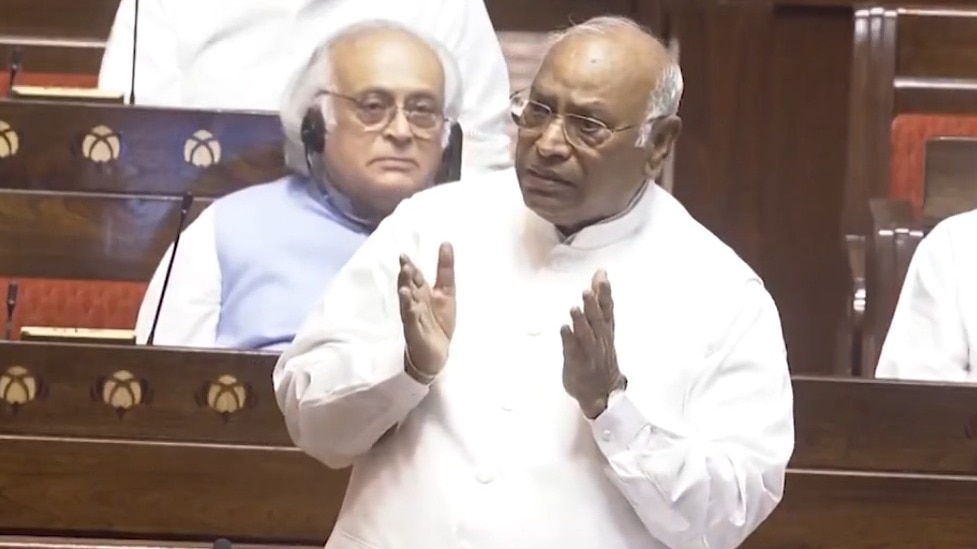
Leader of the Opposition in the Rajya Sabha, Mallikarjun Kharge, raised the issue of student protests at Jantar Mantar in the Parliament. Kharge stated in the House that the government intends to suppress and crush the demonstrations. The protest, which took place at Jantar Mantar, involved students whose concerns were brought to the attention of the government through this parliamentary intervention. Kharge's statement highlighted a perceived authoritarian approach by the ruling administration towards public dissent. The specific demands or grievances of the students were not detailed in the provided text, but the nature of their protest suggests a significant issue they wished to address. The intervention by Kharge underscores the ongoing political friction regarding the handling of public demonstrations in India. The Rajya Sabha session served as a platform for the opposition to voice concerns about the government's response to student activism. This event signifies a broader debate on freedom of expression and the right to protest within the country.
The opposition leader's parliamentary inquiry into the student protest at Jantar Mantar frames the government's actions as suppressive. This framing, while common in political discourse, invites scrutiny of the underlying incentive structures driving both protest and response. From a governance perspective, the challenge lies in balancing public order with the fundamental right to assembly and expression. As India navigates the complexities of a rapidly evolving digital landscape and increasing youth engagement, its capacity to manage dissent through dialogue rather than force will be a critical determinant of its long-term social and political stability. The next decade will likely see heightened expectations for transparency and responsiveness from citizens, particularly students, making robust mechanisms for grievance redressal and inclusive policy-making paramount.
AI-generated to prompt reflection — not editorial opinion, not advice, not a statement of fact. How this works.