Khuiusi Suyá, Indigenous Leader and Raoni's Nephew, Dies at 80
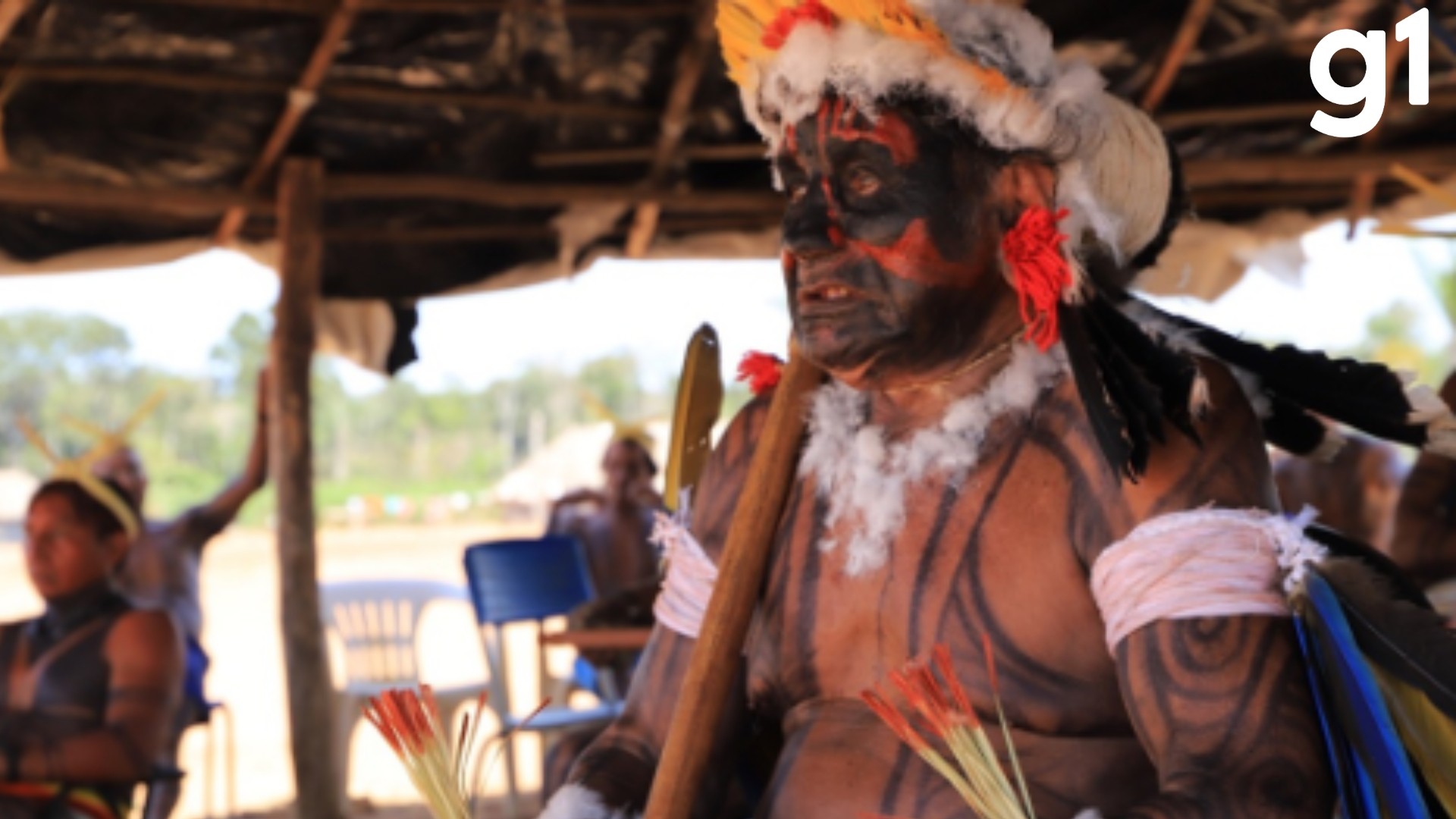
Khuiusi Suyá, a prominent indigenous leader of the Khĩsêtjê people and considered a nephew by the renowned cacique Raoni Metuktire, passed away on Friday, October 3rd, at the age of 80. His death was mourned by his community, which highlighted his lifelong dedication to defending the territory, culture, and rights of the Khĩsêtjê people. Suyá became a leader at a young age, during the initial contact period with non-indigenous populations, after experiencing significant loss within his village. Despite not speaking Portuguese or being literate in the language, his wisdom, courage, and political acumen established him as a key figure among the Khĩsêtjê. A significant achievement during his leadership in the 1990s was his mobilization for the recovery of the Khĩsêtjê's traditional territory in the Suiá-Miçu river basin, which was under pressure from agricultural expansion. This struggle led to the recognition and demarcation of the Wawi Indigenous Land and contributed to the preservation of the Xingu Indigenous Territory. The Instituto Raoni emphasized the deep respect, affection, and shared commitment to indigenous causes that characterized the relationship between Khuiusi Suyá and Raoni Metuktire. The Khĩsêtjê people, the only Jê-speaking group in the Xingu Indigenous Territory, have maintained their distinct cultural identity while integrating some customs from other indigenous groups. Their primary cultural expression is the ritual chant, and many now reside in the Wawi Indigenous Land, a territory reclaimed through their advocacy.
The passing of Khuiusi Suyá marks the loss of a significant voice in indigenous advocacy, particularly concerning land rights and cultural preservation in Brazil's Mato Grosso state. His leadership in reclaiming Khĩsêtjê territory against agricultural encroachment exemplifies the ongoing tension between development and indigenous sovereignty. The legacy of figures like Suyá underscores the critical role of indigenous leaders in navigating complex legal and political landscapes, often with limited resources and facing powerful economic interests. Future efforts to protect indigenous lands and rights will likely depend on continued community mobilization, legal challenges, and the preservation of cultural knowledge, as exemplified by the Khĩsêtjê's ritual chants. The long-term sustainability of these efforts will be influenced by evolving national policies and global awareness of indigenous issues in the context of climate change and resource management.
AI-generated to prompt reflection — not editorial opinion, not advice, not a statement of fact. How this works.