Khyber Pakhtunkhwa Government Reverses Law Granting Expanded Privileges to Lawmakers
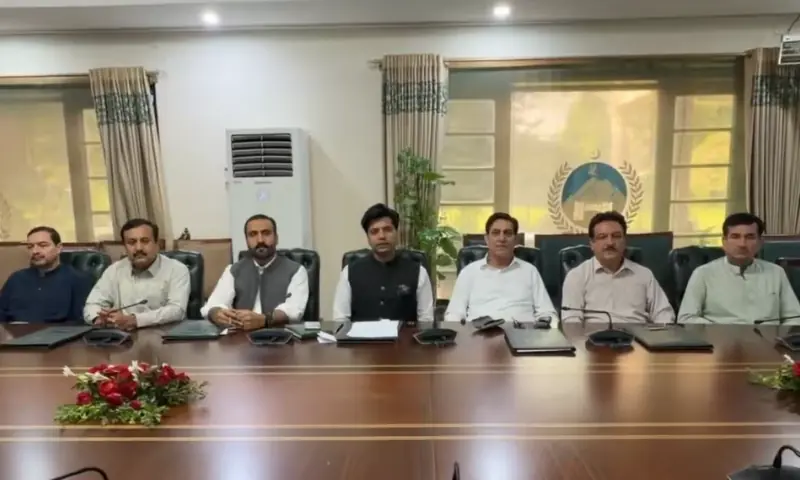
The Khyber Pakhtunkhwa (KP) government has decided to withdraw controversial clauses from a recently enacted law that significantly expanded privileges for its lawmakers. The KP Provincial Assembly (Powers, Immunities and Privileges) Act, 2026, passed in April, had granted blue passports to members and their spouses, arms licenses, and blanket immunity from preventive detention, requiring speaker permission for arrests on criminal charges. This legislation faced widespread criticism from the media and the public, leading KP Chief Minister Sohail Afridi to order a review.
Information Minister Shafi Jan announced the decision to withdraw all contentious provisions, stating they would be revised to align with the Khyber Pakhtunkhwa (Powers, Privileges and Immunities) Act of 1988. A meeting is scheduled for Monday to brief parliamentary leaders, with Jan emphasizing the assembly's commitment to public aspirations and addressing concerns from journalists and citizens.
Meanwhile, KP Governor Faisal Karim Kundi urged a national dialogue, calling for a unified bill across Pakistan to standardize legislators' salaries, privileges, and entitlements. He stressed that no province should enact extraordinary privileges while the public faces austerity, advocating for uniform standards to ensure fairness and accountability. Kundi, who had previously assented to the law with observations, reiterated his stance that public funds should not be used for excessive perks, especially during economic hardship, and recommended implementing federal austerity measures.
The swift reversal of the KP Provincial Assembly (Powers, Immunities and Privileges) Act, 2026, following public and media backlash, highlights the significant influence of public opinion and media scrutiny on legislative actions, even in contexts where lawmakers seek to expand their entitlements. This event underscores a recurring tension in governance: the potential for elected officials to prioritize personal benefits over public welfare, particularly during periods of economic austerity. The governor's call for a harmonized national framework for legislator privileges reflects an attempt to address systemic issues of perceived inequity and to foster greater public trust through standardized, transparent governance. Moving forward, legislative bodies may face increased pressure to demonstrate fiscal responsibility and align their own benefits with the economic realities experienced by their constituents, especially as AI-driven transparency tools become more prevalent.
AI-generated to prompt reflection — not editorial opinion, not advice, not a statement of fact. How this works.