Killer Drew 11 Skulls in Blood Before Suicide, Police Reveal
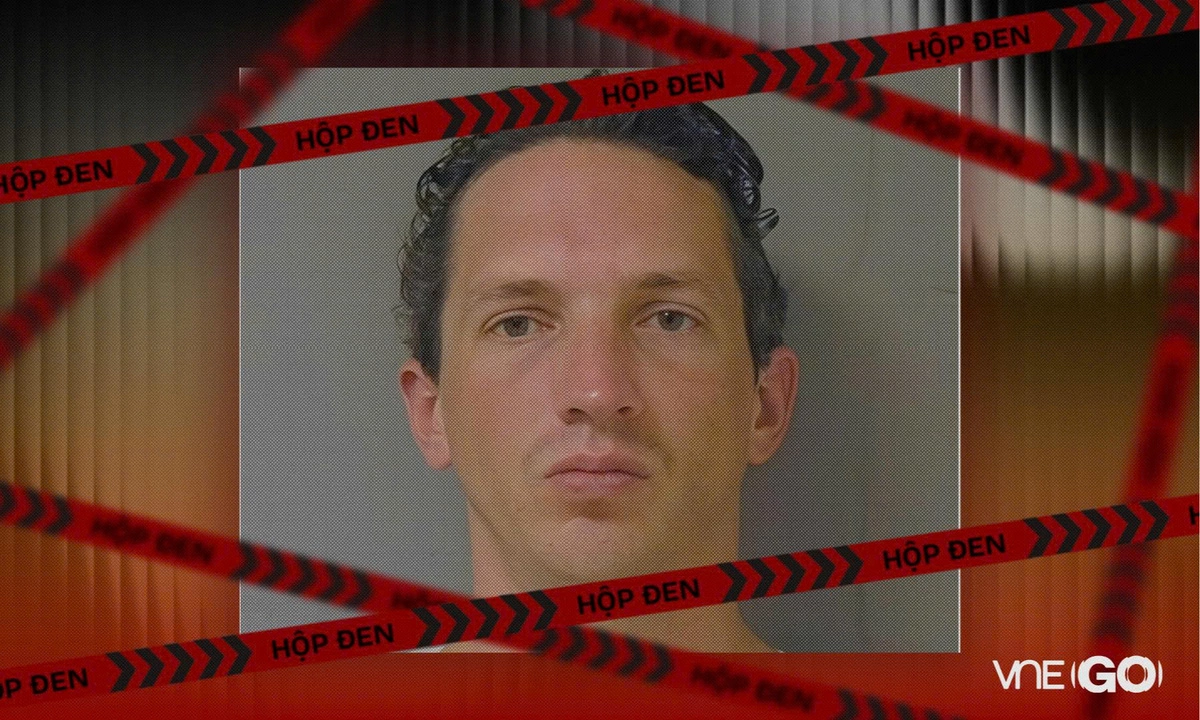
Police have revealed that serial killer Israel Keyes drew 11 skulls in his own blood on the walls of his prison cell before committing suicide. Keyes was apprehended by authorities following the kidnapping of a barista at a coffee shop in Alaska. This arrest ultimately led to the discovery of his involvement in a series of murders spanning 14 years and multiple states. The investigation into Keyes' crimes began after the barista's disappearance, prompting a widespread manhunt and subsequent capture. His confession and the subsequent evidence uncovered painted a grim picture of his extensive criminal activity. The drawing of the skulls is believed to be a disturbing final act from the convicted murderer. Authorities are continuing to piece together the full extent of his victimology and the timeline of his crimes across the country. The case highlights the challenges in tracking and apprehending serial offenders who operate across different jurisdictions.
The revelation of Israel Keyes' final act, drawing skulls in blood, underscores the psychological complexities often associated with serial offenders. While the act itself is disturbing, an objective analysis focuses on the systemic failures that allowed his fourteen-year crime spree to continue undetected across state lines. This case prompts reflection on inter-agency cooperation in law enforcement and the effectiveness of national databases for tracking individuals with prior offenses. The long duration of his activities suggests potential gaps in investigative protocols and information sharing. Moving forward, enhanced technological integration and proactive intelligence gathering could be crucial in preventing similar prolonged periods of undetected criminal activity, particularly in an era where digital footprints are increasingly prevalent.
AI-generated to prompt reflection — not editorial opinion, not advice, not a statement of fact. How this works.