Kilometer-Long Traffic Jams on German Highways Leading to the Coast
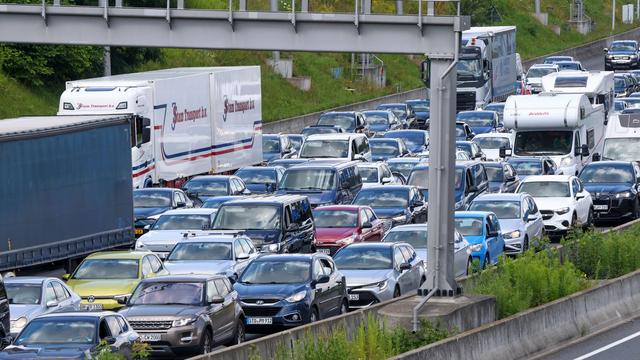
German highways leading to the coast experienced traffic jams stretching for kilometers. The congestion affected major routes as many travelers headed towards popular coastal destinations. Specific details on the exact routes, duration of the jams, or the number of vehicles involved were not provided in the original report. However, the scale of the traffic disruption indicates a significant volume of holidaymakers or tourists embarking on coastal journeys. This situation is typical during peak travel seasons, especially when weather conditions are favorable for seaside visits. The report highlights the strain on infrastructure during periods of high demand. Further information regarding the cause of the congestion, such as accidents or roadworks, was also absent from the initial information.
The extensive traffic congestion on German highways leading to coastal areas underscores a recurring challenge in managing seasonal travel demand. This pattern suggests that current infrastructure capacity and traffic management strategies may be insufficient to handle peak loads, particularly during holiday periods. The economic implications include lost productivity and increased fuel consumption, alongside potential impacts on the tourism industry's efficiency. Future planning should consider adaptive traffic control systems, enhanced public transportation options to coastal regions, and potentially dynamic tolling mechanisms to better distribute traffic flow. Exploring technological solutions for real-time traffic prediction and rerouting could also mitigate future disruptions, ensuring smoother and more sustainable travel experiences.
AI-generated to prompt reflection — not editorial opinion, not advice, not a statement of fact. How this works.