Kim Jong Un Marks Korean War Armistice Anniversary, Claims Victory Over US
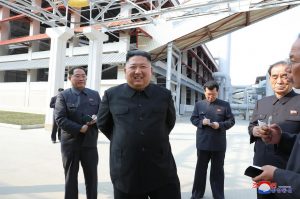
North Korean leader Kim Jong Un paid tribute to war monuments on the 73rd anniversary of the Korean War Armistice. This year's commemorations were notable as his daughter joined him for the first time at these events. Kim Jong Un honored fallen soldiers and met with war veterans, wishing them good health. State media outlet KCNA reported on the leader's activities. The Korean War took place from 1950 to 1953. During his address, Kim Jong Un asserted that North Korea achieved a victory over the United States. This statement comes amid ongoing tensions and the DPRK's continued pursuit of nuclear and missile capabilities. The anniversary serves as a significant occasion for the regime to reinforce its narrative of national strength and defiance against external adversaries.
The DPRK's annual commemoration of the Korean War Armistice, framed as a victory over the United States, serves as a consistent element of its statecraft. This narrative reinforces domestic cohesion and projects an image of resilience to the international community. From a strategic perspective, such rhetoric can be interpreted as a means to justify ongoing military development and maintain leverage in potential future negotiations. The inclusion of Kim Jong Un's daughter in these high-profile events may signal preparations for dynastic succession, integrating the next generation into the regime's foundational mythology. The long-term implications involve the perpetuation of a security dilemma, where perceived external threats, amplified by historical narratives, drive internal military investment, potentially limiting avenues for de-escalation and diplomatic resolution in the Korean Peninsula.
AI-generated to prompt reflection — not editorial opinion, not advice, not a statement of fact. How this works.