Kindia Court Jails Seven Students for Baccalaureate Exam Fraud
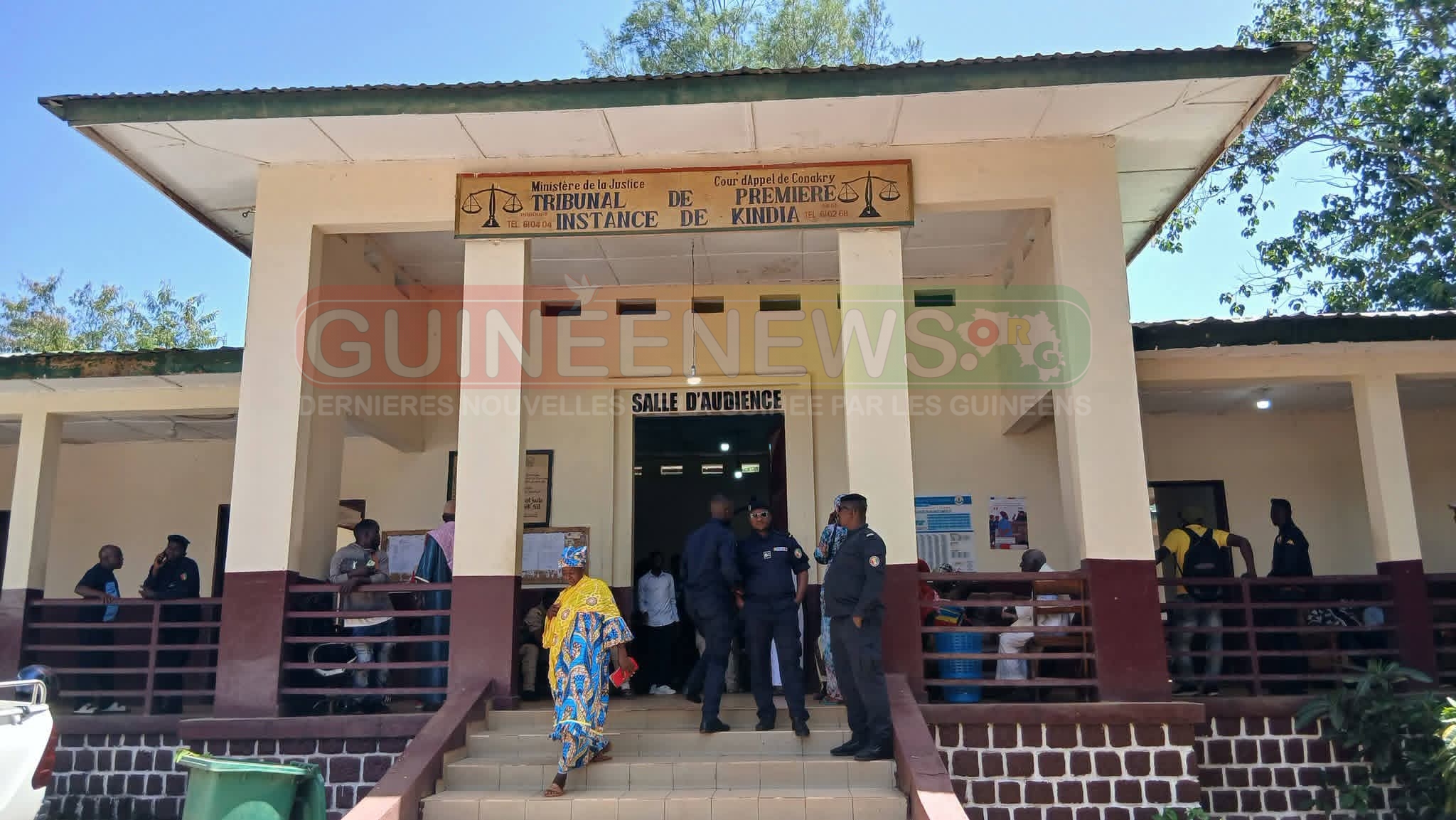
The Court of First Instance (TPI) in Kindia, Guinea, has sentenced seven candidates to one month of firm imprisonment for fraud during the national baccalaureate exams. The ruling, delivered on Tuesday, July 7, 2026, under flagrante delicto proceedings, involved three young women among the convicted students. This swift judicial action demonstrates the authorities' commitment to upholding the integrity of the national examinations. The court's decision aims to deter future instances of academic dishonesty and reinforce the value of merit-based achievement. The sentencing underscores a zero-tolerance policy towards cheating in critical educational assessments. This measure is expected to send a strong message to students across the region regarding the consequences of academic fraud. The judiciary's firm stance is intended to preserve the credibility of the baccalaureate as a fair and reliable measure of student preparedness for higher education.
The judicial response in Kindia highlights a systemic effort to combat academic dishonesty within the baccalaureate examination process. By employing flagrante delicto proceedings and imposing firm custodial sentences, the authorities signal a strong deterrent strategy. This approach reflects a broader global trend of increasing scrutiny on educational integrity, particularly as digital technologies present new avenues for cheating. The court's action prioritizes the perceived fairness and credibility of the examination system, potentially impacting student behavior and institutional accountability. Looking ahead, such measures may prompt a reevaluation of examination security protocols and the underlying incentives for academic fraud, encouraging a focus on equitable access to quality education rather than solely punitive measures.
AI-generated to prompt reflection — not editorial opinion, not advice, not a statement of fact. How this works.