King Charles III Meets Prince Harry and Family for First Time Amid Royal Rift
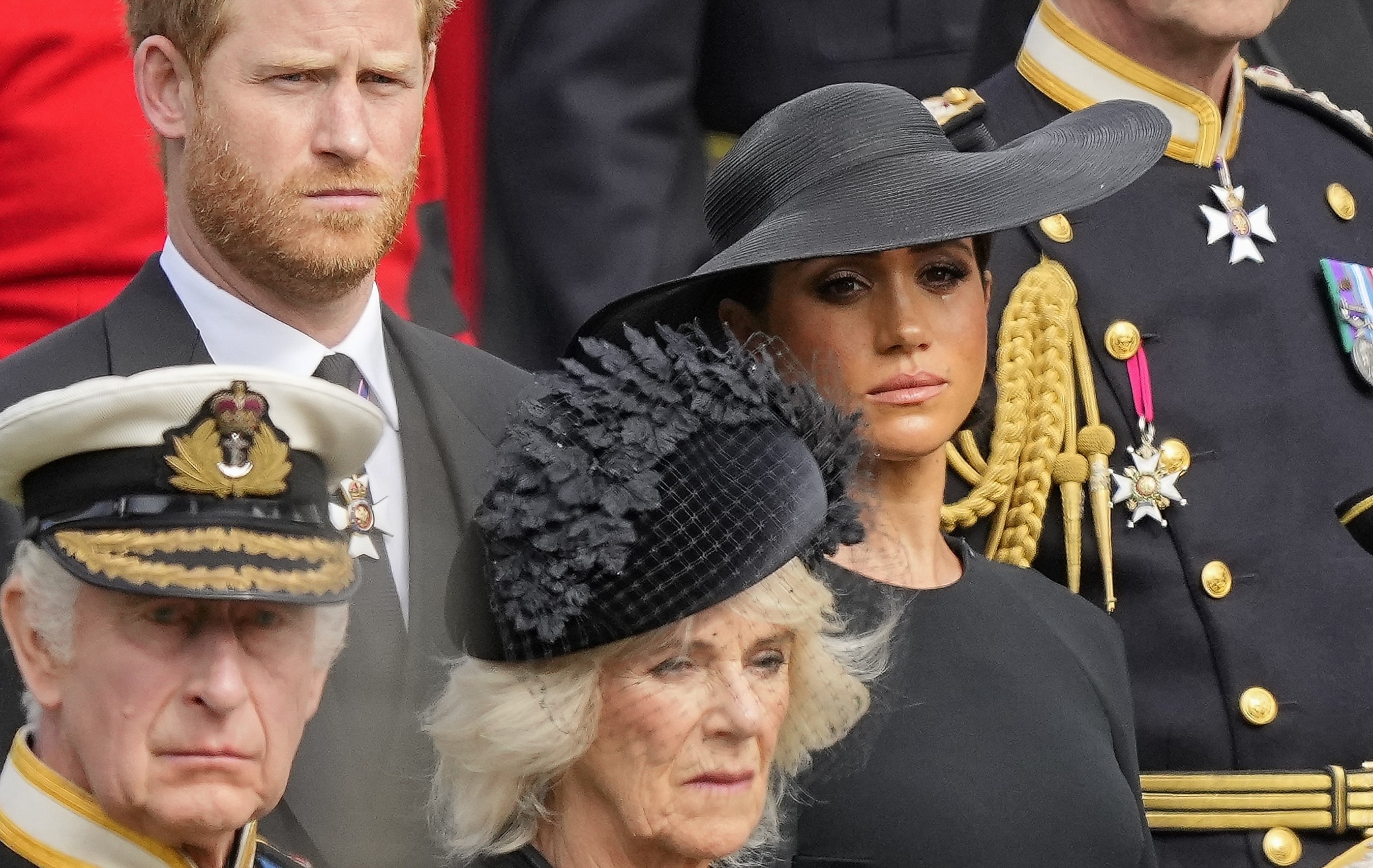
King Charles III of Great Britain met with his youngest son, Prince Harry, and Harry's family for the first time in years on Friday, February 10th. This meeting is seen as an attempt to overcome a family rift that has persisted since Harry and his wife, Meghan, Duchess of Sussex, stepped down from royal duties and moved to the United States six years ago. The reunion took place at Highgrove House, a rural estate west of London, and included Queen Camilla. Prince Harry, along with Meghan and their two children, Prince Archie and Princess Lilibet, were present. Harry, who holds the title Duke of Sussex, arrived in the UK on Monday, February 6th, for several charity events. His visit had been overshadowed by speculation about whether he would meet with his father. British tabloids had intensely covered the possibility of Meghan accompanying him and, more significantly, whether they would bring their children to meet their grandfather, Charles, for the first time in four years. Initial plans seemed to falter when a government commission denied Harry security protection for his family, and Buckingham Palace withdrew an offer of accommodation for the prince, leading to reports he might come alone. Harry's visit also coincided with the defeat in his latest lawsuit against British tabloids, where a judge ruled he failed to prove claims of privacy invasion against the publisher of the Daily Mail, a lawsuit also filed by Elton John against the same publisher.
This event highlights the ongoing tension between maintaining traditional royal structures and the evolving personal choices of family members. The King's outreach signals a potential reconciliation, driven by familial ties and perhaps the broader implications of public perception and legacy. Prince Harry's legal battles with the British press underscore the complex relationship between public figures, privacy, and media scrutiny in the digital age. The family's relocation and subsequent actions raise questions about the adaptability of the monarchy to modern expectations of individual autonomy and the potential for systemic friction when personal aspirations diverge from institutional roles. Future considerations may involve finding a sustainable balance between royal obligations and personal freedoms, and how such dynamics will shape the institution's relevance over the next decade.
AI-generated to prompt reflection — not editorial opinion, not advice, not a statement of fact. How this works.