Kintetsu Train Derailment: Experts Point to Track Geometry and Rolling Stock
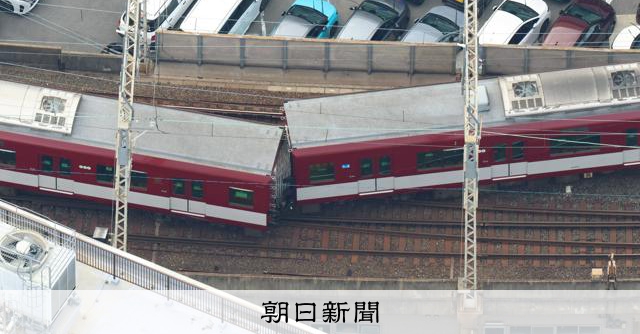
An investigation is underway to determine the cause of a recent Kintetsu Railway train derailment. Experts are focusing their attention on two primary areas: the "linear" aspect, referring to the track's geometry and alignment, and the "vehicle" itself, meaning the rolling stock involved in the incident. The derailment has raised concerns about the safety of the railway infrastructure and the condition of its fleet. Further analysis will examine potential contributing factors such as track maintenance, speed limits, and the operational history of the train. The findings are expected to inform future safety protocols and maintenance schedules for Kintetsu Railway and potentially other rail operators. Understanding the interplay between track conditions and train mechanics is crucial for preventing similar accidents.
The derailment prompts a systems-level review of rail safety, emphasizing the critical interdependence of track infrastructure and rolling stock integrity. Examining track geometry, or "linear" factors, alongside rolling stock condition highlights potential points of failure arising from wear, design limitations, or inadequate maintenance cycles. This incident underscores the need for robust predictive maintenance strategies and continuous assessment of operational parameters against evolving environmental and mechanical stresses. Future safety protocols should integrate advanced sensor technologies for real-time monitoring of both track and vehicle performance to mitigate risks associated with aging infrastructure and complex operational demands in the coming decade.
AI-generated to prompt reflection — not editorial opinion, not advice, not a statement of fact. How this works.