Kirchnerism's Legacy: The Collapse of Allies in Venezuela, Cuba, and Nicaragua
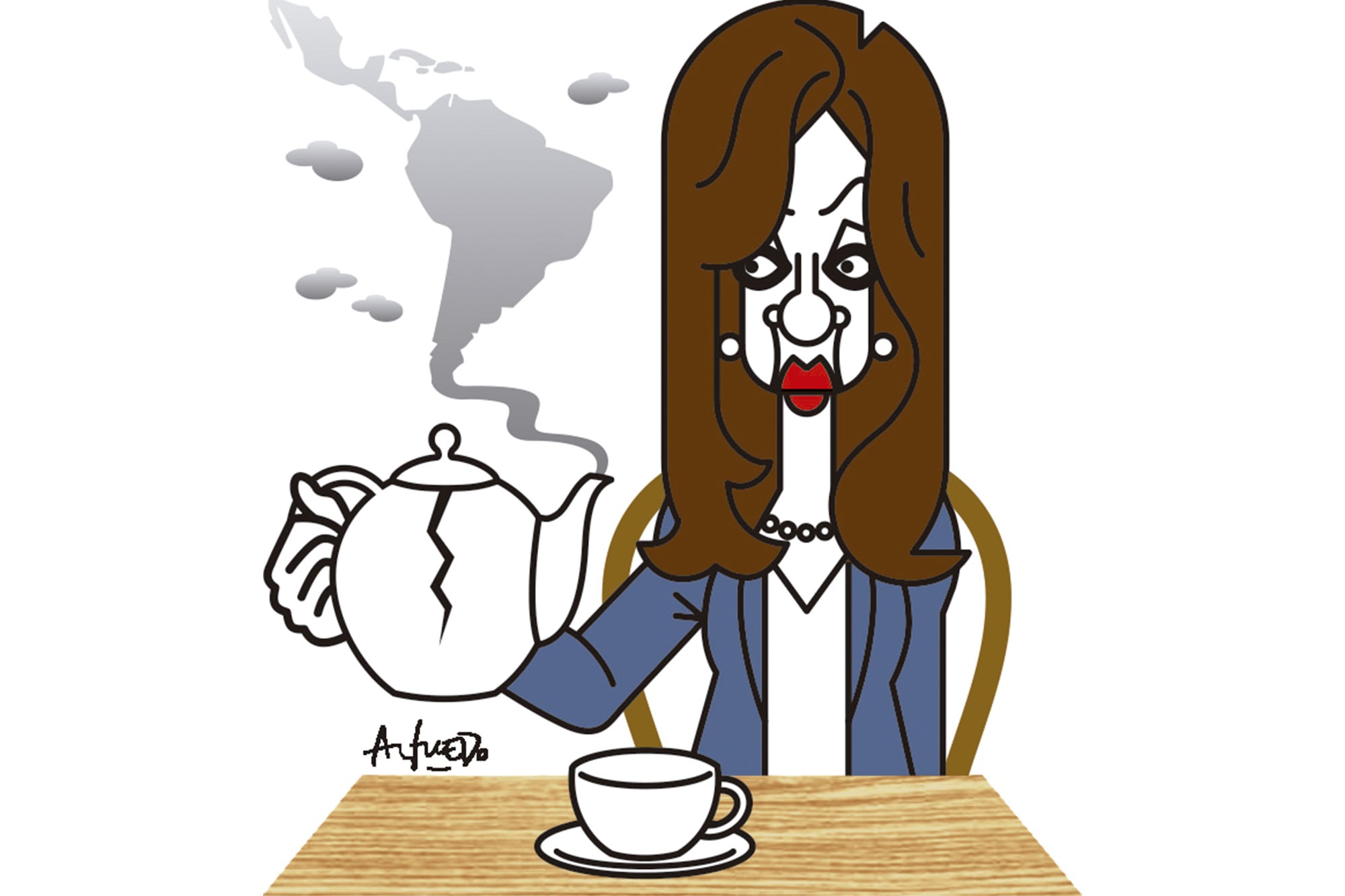
Former Argentine President Cristina Kirchner is reportedly reflecting on the decline of political allies Venezuela, Cuba, and Nicaragua during her house arrest. These nations, once close to Kirchnerism, are now facing significant political and economic crises, with the United States playing a prominent role in their futures. U.S. Secretary of State Marco Rubio has announced upcoming talks for a democratic transition in Venezuela, to be held in Washington. The article suggests that Venezuela, since the January 3rd apprehension of Nicolás Maduro, has been operating under U.S. direction, with its current leadership seeking impunity in exchange for cooperation. The collapse of Venezuela's regime, initiated by Hugo Chávez in 1999, is described as having served primarily to enrich and repress its citizens. The U.S. government, under the Trump administration, aims to reshape Venezuela's political system to align with American interests, particularly concerning oil resources. This strategic shift is framed as a U.S. effort to maintain control in the region amidst China's growing influence. The situation in Venezuela has had a ripple effect on Cuba, accelerating the decline of its revolutionary model, with major tourism operators like Meliá ceasing operations due to a lack of fuel and infrastructure issues. Nicaragua, while of less strategic importance to the U.S., has solidified into a dictatorship under Daniel Ortega, who recently announced the cancellation of all future elections. The article contrasts these outcomes with Brazil's consistent foreign policy, which has maintained a balance between its alliances with China, India, and Russia (BRICS) and its relationship with the United States, while also preserving regional ties with Argentina. The author suggests that Kirchnerism's ideological alignment with Chavismo led it astray from traditional Peronist principles and international norms, unlike Brazil's pragmatic approach. Current Argentine President Javier Milei is presented as being in a different political position, potentially seeking regional leadership, but the article cautions that U.S. influence, particularly from figures like Trump, will ultimately dictate regional dynamics.
The article critiques the foreign policy decisions and ideological alignments of the Kirchnerist movement in Argentina, framing the current predicaments of Venezuela, Cuba, and Nicaragua as the "broken mirrors" of that era's political choices. It highlights a shift in U.S. regional strategy, moving from engagement to a more assertive, interest-driven approach, particularly concerning energy resources in Venezuela. The analysis suggests that while leaders like Marco Rubio may leverage these situations for domestic political gain, the underlying dynamic reflects a broader geopolitical competition. The piece implicitly questions the sustainability of populist regimes that prioritize ideological affinity over pragmatic statecraft and international norms, contrasting them with Brazil's more consistent and balanced foreign policy. It posits that the future of regional influence will likely be shaped by major global powers, with smaller nations' autonomy subject to these larger forces, prompting reflection on the long-term consequences of foreign policy choices made by leaders like Cristina Kirchner and the potential for future shifts under administrations like Javier Milei's.
AI-generated to prompt reflection — not editorial opinion, not advice, not a statement of fact. How this works.