Kirkenes: Arctic Port on New Shipping Route Becomes Hotbed for Espionage
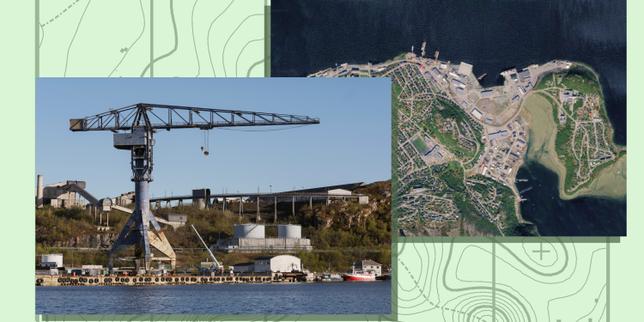
Kirkenes, a small Norwegian port town with a population of 3,500, is experiencing a potential shift in its destiny due to climate change. The melting of the Arctic ice cap is opening up a new maritime route connecting Europe and Asia, a development that could significantly impact the town's future. However, Kirkenes' strategic location also presents challenges, as its proximity to Russia and prevailing geopolitical tensions are hindering its ambitions. The town is situated on what is being referred to as the "new Arctic route," a pathway becoming increasingly accessible as global temperatures rise. This burgeoning trade route offers economic opportunities, but the geopolitical climate, particularly concerning Russia, casts a shadow over these prospects. The "rush for ports" narrative highlights the growing importance of such locations in a changing global landscape. The town's future hinges on balancing the economic potential of the new shipping lane with the complex security environment.
The opening of Arctic shipping routes due to climate change presents a complex geopolitical and economic dilemma. Kirkenes' strategic location highlights the tension between potential economic benefits from increased trade and the heightened security concerns arising from proximity to Russia. This situation underscores the broader global challenge of managing resource access and transit in a warming Arctic, where national interests and international cooperation must be carefully balanced. The long-term implications will depend on how effectively regional powers and international bodies can establish governance frameworks that promote stability and shared prosperity while mitigating risks associated with increased military and intelligence activity.
AI-generated to prompt reflection — not editorial opinion, not advice, not a statement of fact. How this works.