Kite flying causes 66 power outages, impacting 10,500 customers in São Paulo's interior
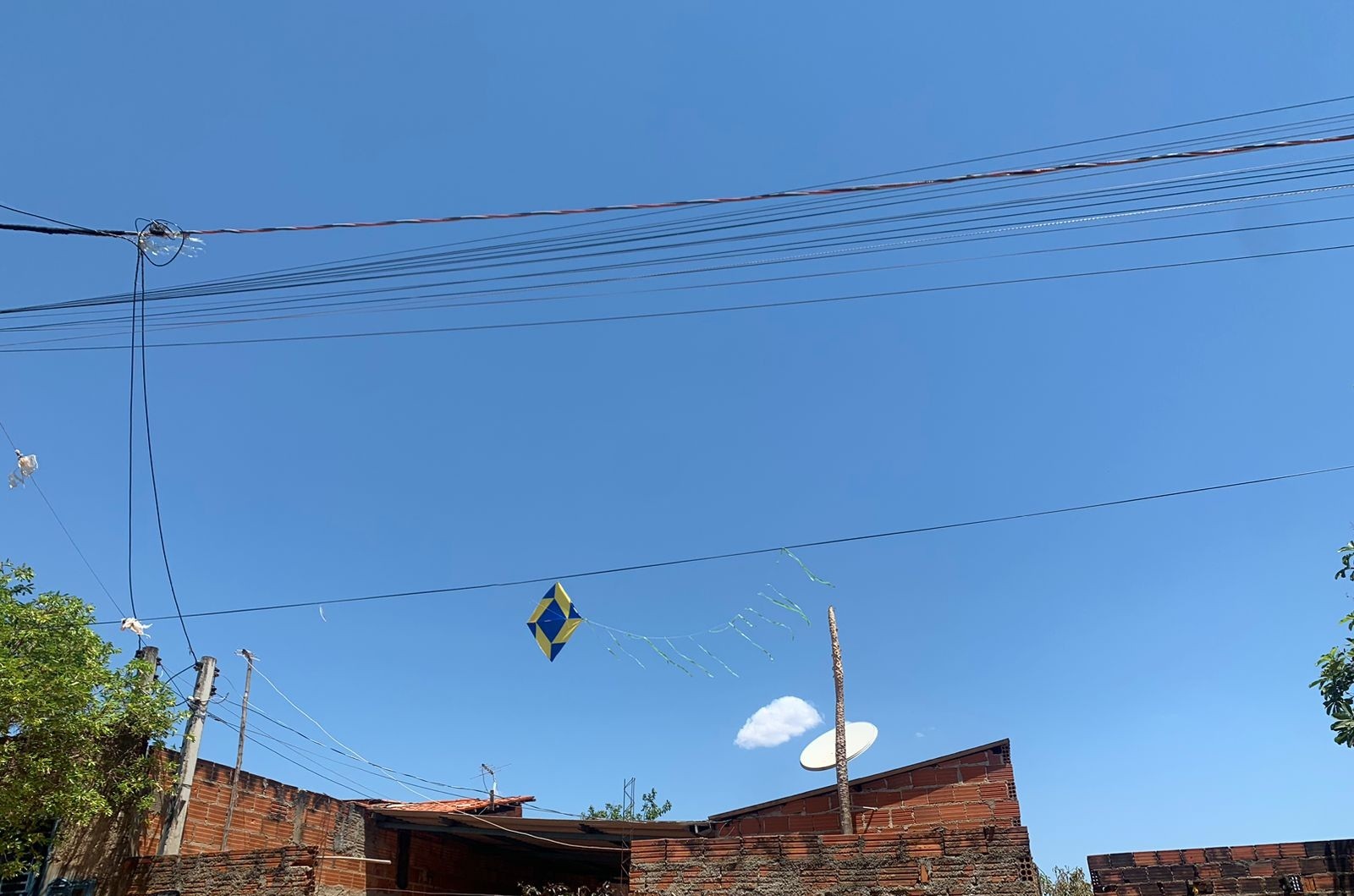
Between January and June 2026, kite flying led to 66 power outages across the interior of São Paulo, affecting approximately 10,500 customers. The incidents were concentrated in the regions of Presidente Prudente, Assis, and Catanduva, according to the energy concessionaire Energisa Sul-Sudeste. These disruptions significantly impacted the daily routines of residents, businesses, and other energy consumers.
Energisa Sul-Sudeste's Operations Coordinator, Mauricio Arantes, emphasized the serious risks associated with flying kites near power lines. He warned that kites contacting electrical wires can cause severe, even fatal, electric shocks, with the danger escalating on cloudy days or during thunderstorms. The company advises that kite flying should only occur in open areas far from the electrical grid, such as parks, squares, and fields.
Arantes stressed that the issue lies with the location chosen for the activity, not the act of flying a kite itself. He urged parents and guardians to guide children and supervise the activity to ensure safety and prevent disruptions to the community's energy supply. Energisa also strongly recommends that if a kite or its tail becomes entangled in power lines, no one should attempt to retrieve it. Instead, the occurrence should be reported through the concessionaire's official customer service channels.
This report highlights a recurring public safety and infrastructure challenge where recreational activities intersect with critical utility networks. The data from Energisa Sul-Sudeste quantifies the tangible impact of kite flying on electricity supply, affecting a significant number of customers. The analysis points to a need for enhanced public awareness campaigns and potentially stricter enforcement of regulations regarding kite flying in proximity to power infrastructure. Future considerations might involve exploring technological solutions for grid resilience or collaborating with local authorities on designated safe zones for such activities, aiming to mitigate risks without unduly restricting community engagement. The systemic issue lies in balancing recreational freedom with the imperative of maintaining essential services, a dynamic that will likely evolve with urban development and population density.
AI-generated to prompt reflection — not editorial opinion, not advice, not a statement of fact. How this works.