Kite-related power outages impact 31 Limeira homes daily in 2026
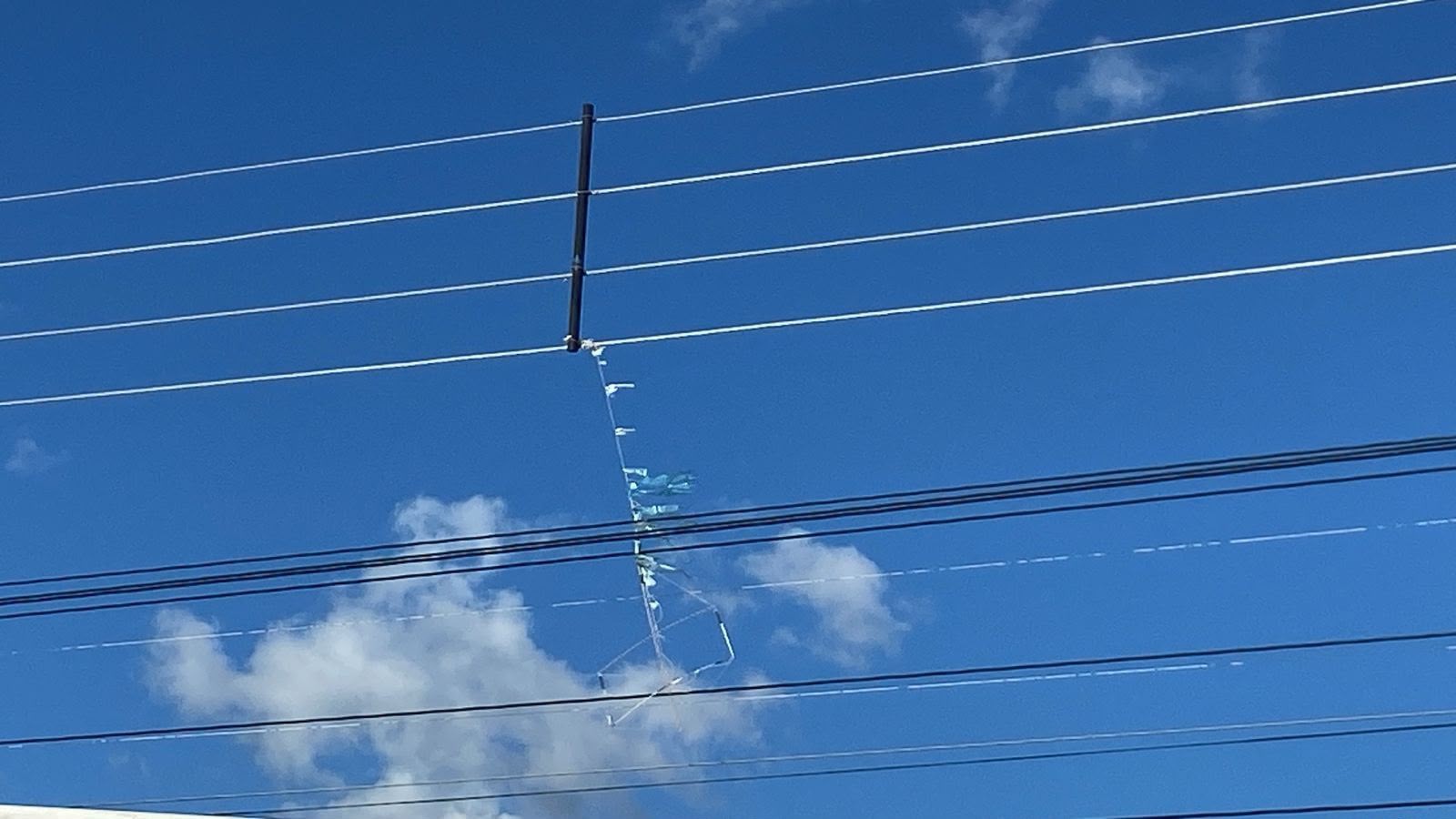
In the first half of 2026, kite-related power outages affected an average of 31 homes per day in Limeira, São Paulo, according to Neoenergia Elektro, the local energy provider. During this period, ten incidents involving kites tangled in the electrical grid resulted in power loss for 5,712 properties. This represents a significant 32.5% increase in affected properties compared to the same period in 2025, when 4,308 customers experienced outages due to 16 such incidents. Other nearby cities also reported issues, with Cordeirópolis experiencing 410 affected properties and Ipeúna 34, both due to kites. Neoenergia Elektro warns that kite strings with "cerol" (a mixture of glass powder and glue) can damage power lines, leading to outages and electrocution risks. Metallic kite coverings can cause short circuits. The company emphasizes that only qualified personnel should work on the electrical grid. São Paulo State Law 17.201/2019 prohibits the manufacture, sale, and use of "cerol" or "chilenas" lines, with penalties including fines and criminal charges for accidents. Neoenergia Elektro advises against using metallic materials on kites, attempting to retrieve tangled kites from power lines, or throwing objects at the grid. They also recommend flying kites in safe, open areas away from power lines and busy roads, and cautioning motorcyclists and cyclists about the dangers of kite lines.
This incident highlights a recurring public safety challenge where recreational activities intersect with critical infrastructure. The use of "cerol" and metallic kite components, while perhaps intended to enhance performance or aesthetics, creates demonstrable risks of electrical grid disruption and severe personal injury. The legal prohibition of "cerol" in São Paulo underscores the recognized danger, yet the reported increase in incidents suggests enforcement or public awareness may be insufficient. Future considerations should involve exploring technological solutions for grid resilience against such incidents, alongside continued public education campaigns that emphasize the severe consequences of non-compliance with safety regulations. The systemic issue points to a need for proactive risk mitigation strategies that balance community recreation with the imperative of reliable and safe energy distribution.
AI-generated to prompt reflection — not editorial opinion, not advice, not a statement of fact. How this works.