Kite-Related Power Outages Surge in Campinas Region, Averaging 12 Daily
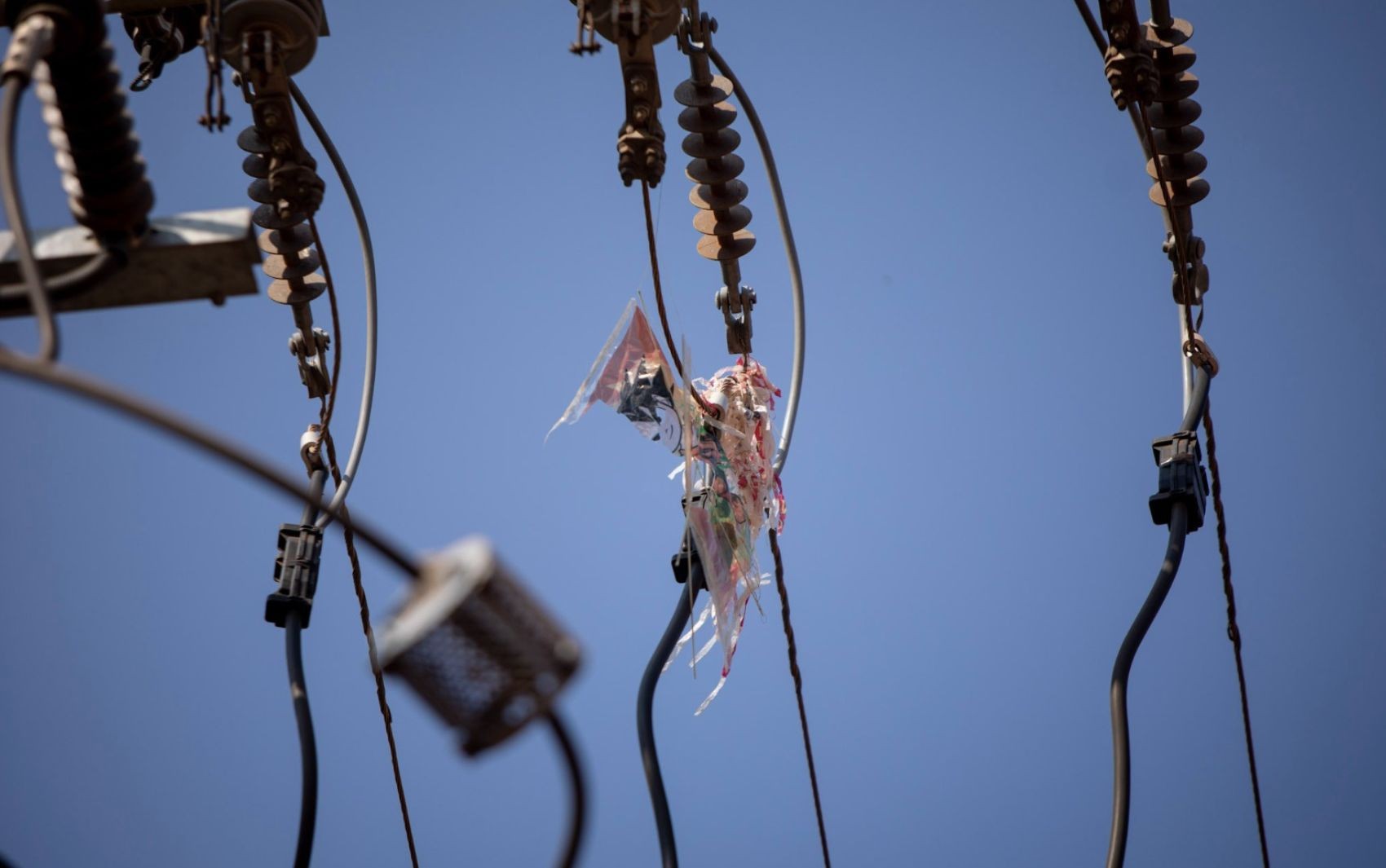
The Campinas region in São Paulo, Brazil, experienced an average of 12 daily power outages caused by kites between January and May 2026. This represents a 6.5% increase in such incidents compared to the previous year, with a total of 1,859 occurrences recorded in the first five months of 2026, up from 1,746 in 2025. The city of Campinas itself led the statistics with 277 cases, an 11% rise, averaging one outage every 13 hours. Neighboring municipalities also saw significant increases, with Hortolândia reporting a 63% jump in incidents and Sumaré a 33% rise. CPFL Paulista, the local power company, has intensified public awareness campaigns, particularly with the start of school holidays, to highlight the dangers of flying kites near power lines and the risks associated with using cutting lines like cerol or "linha chilena." These materials, along with common kite strings accumulating moisture, can cause short circuits, power disruptions, and cable ruptures. The use of cerol and "linha chilena" is prohibited by São Paulo State Law 17.201/2019, with violators facing fines and potential criminal charges for accidents. Residents have reported significant disruptions, including extended periods without electricity, internet, and loss of commercial goods due to these incidents. CPFL advises flying kites in open areas far from electrical infrastructure and emphasizes never attempting to retrieve a kite from power lines, instead urging citizens to contact the company through official channels for safe removal.
The recurring issue of kite-related power outages in Campinas highlights a persistent challenge in balancing recreational activities with critical infrastructure safety. The data indicates a growing problem, likely exacerbated by increased leisure time during school holidays and potentially a lack of effective enforcement of existing regulations against hazardous kite-flying materials. Systemic analysis suggests a need for enhanced public education initiatives that clearly articulate the direct consequences of these incidents, not just on infrastructure but on daily life and local commerce. Furthermore, exploring technological solutions for power line protection or improved real-time monitoring could mitigate future disruptions. The long-term challenge lies in fostering a culture of safety and responsibility among the public, ensuring that recreational choices do not compromise essential services or endanger lives.
AI-generated to prompt reflection — not editorial opinion, not advice, not a statement of fact. How this works.