KLM Sees Profit Rise Despite Soaring Fuel Costs, Driven by Asian Travel Demand
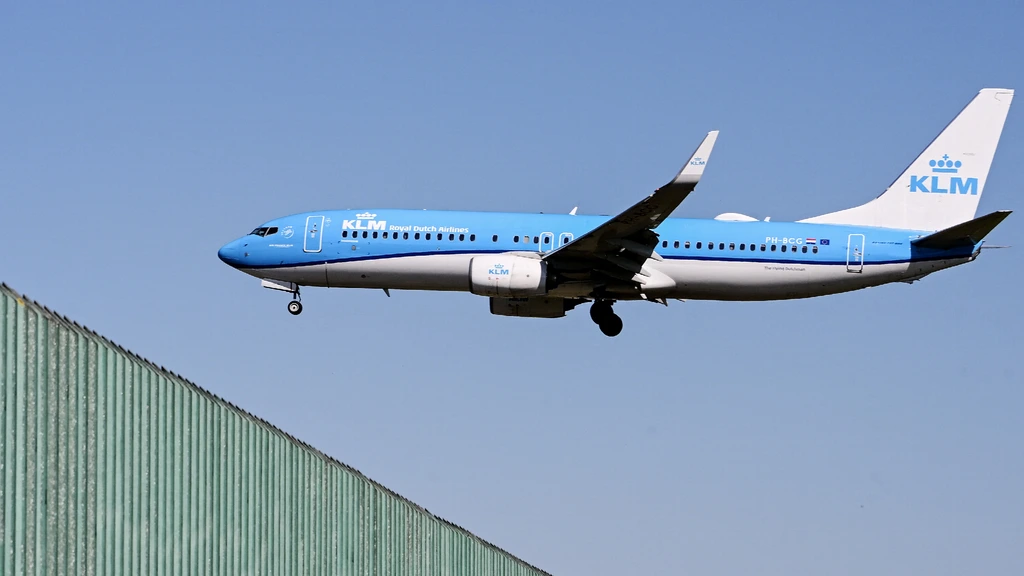
Air France-KLM has reported a profit of 190 million euros for the past quarter, a significant improvement from a loss of 459 million euros in the same period last year. This positive financial performance occurred despite a substantial increase in kerosene costs, which were one and a half times higher due to the conflict in the Middle East. While Air France's profits were halved by these higher fuel expenses, KLM experienced an increase in profitability. This growth for the Dutch airline is attributed to a rise in passengers traveling to Asia, with travelers opting for direct KLM flights over routes previously transiting through the Middle East due to regional instability. Overall, Air France-KLM saw a nearly 4 percent increase in customer numbers compared to the previous year, indicating that higher costs have not deterred passengers from flying. The company anticipates that fuel costs will continue to impact business results, with most of these expenses being passed on to passengers. To fund the fleet's sustainability initiatives, Air France-KLM aims to maintain annual profits of at least 8 percent, as stated by KLM CEO Marjan Rintel.
The financial results demonstrate the complex interplay of geopolitical events, operational costs, and consumer behavior in the aviation sector. While increased fuel expenses present a significant challenge, the strategic advantage of KLM's direct routes to Asia, bolstered by Middle Eastern instability, highlights the importance of network resilience and adaptability. The company's ability to pass on costs to consumers suggests a strong demand or limited competitive alternatives for certain routes. Looking ahead, the imperative to invest in fleet sustainability, requiring substantial and consistent profits, introduces a critical long-term financial objective. This necessitates a careful balancing act between immediate cost pressures, revenue generation, and the capital-intensive transition to greener aviation technologies, which will likely shape strategic decisions and market positioning over the next decade.
AI-generated to prompt reflection — not editorial opinion, not advice, not a statement of fact. How this works.