Knee Osteoarthritis: Habits That Can Speed Progression and How to Protect Cartilage
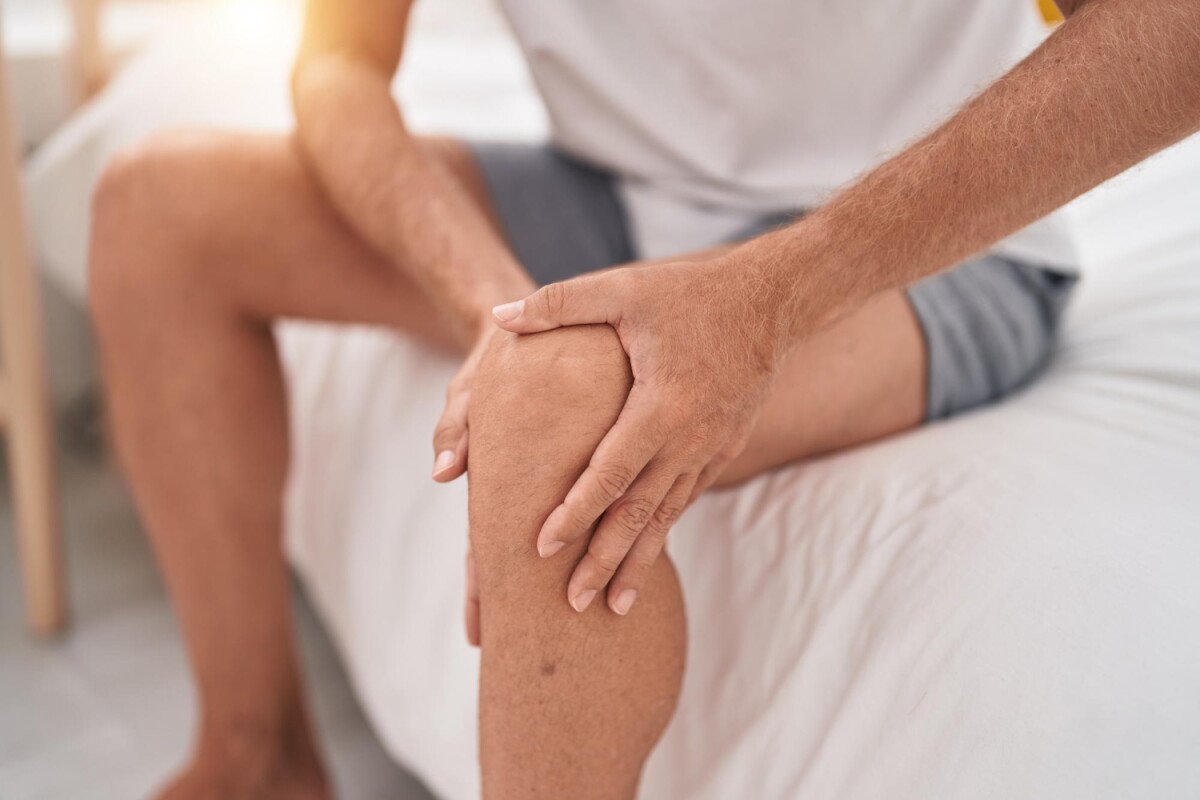
Scientific evidence indicates that exercise, muscle strengthening, and weight management are crucial for alleviating pain and improving knee joint function in cases of knee osteoarthritis. These lifestyle factors play a significant role in managing the condition and protecting cartilage. Maintaining a healthy weight reduces stress on the knee joints, which can slow down the progression of osteoarthritis. Regular physical activity, tailored to individual capabilities, helps to keep the joints mobile and the surrounding muscles strong. Stronger muscles provide better support for the knee joint, absorbing some of the impact and reducing strain on the cartilage. Conversely, certain habits, though not explicitly detailed in the provided text, could potentially accelerate the advancement of knee osteoarthritis. The focus remains on proactive measures that support joint health and cartilage integrity. Therefore, adopting a regimen that includes consistent exercise, targeted muscle strengthening, and effective weight control is recommended for individuals seeking to manage knee osteoarthritis and preserve cartilage health over the long term.
The scientific consensus highlights the importance of lifestyle interventions like exercise, muscle strengthening, and weight management in mitigating knee osteoarthritis progression and improving joint function. This approach underscores a shift towards patient empowerment and proactive health management, leveraging modifiable factors to influence chronic condition outcomes. From a systems perspective, this emphasizes the cost-effectiveness and public health benefits of promoting preventative care and healthy habits over solely relying on medical interventions. Looking ahead, advancements in personalized medicine and biomechanics may offer even more targeted strategies for cartilage protection and joint health, potentially integrating wearable technology for real-time monitoring and feedback on exercise efficacy and joint load.
AI-generated to prompt reflection — not editorial opinion, not advice, not a statement of fact. How this works.