Knee Pain at 30: Doctors Explain Common Causes and When to Seek Help
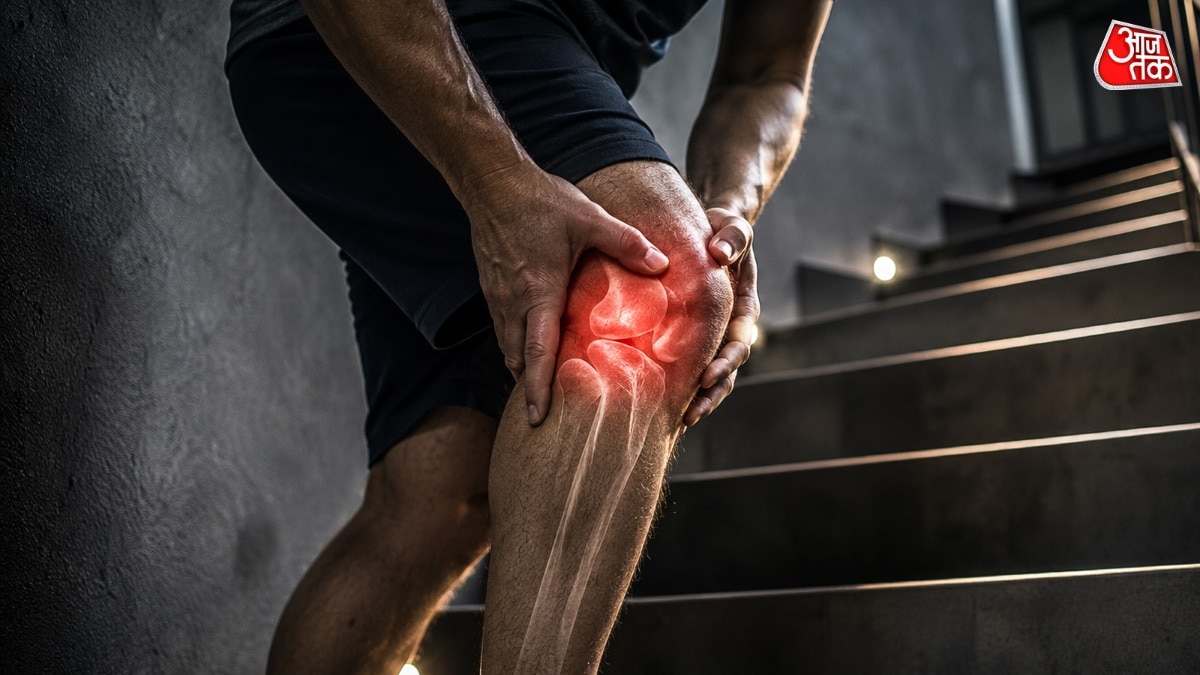
Experiencing knee pain at the age of 30 is becoming an increasingly common issue. If left untreated, this condition can escalate into a more serious problem. Therefore, it is crucial not to ignore the symptoms and to consult a doctor promptly. Early diagnosis and intervention are key to managing knee pain effectively and preventing its progression. Doctors emphasize the importance of understanding the underlying causes, which can vary widely among individuals. Seeking professional medical advice allows for a proper assessment of the condition and the development of a suitable treatment plan. Ignoring these early warning signs can lead to long-term joint damage and reduced mobility. Patients are encouraged to be proactive about their joint health and seek medical attention as soon as they notice persistent knee discomfort.
The increasing prevalence of knee pain in younger adults suggests a potential interplay between modern lifestyle factors and musculoskeletal health. Sedentary work environments, changes in physical activity patterns, and dietary habits may contribute to premature joint wear and inflammation. From a public health perspective, this trend highlights the need for greater awareness regarding preventative joint care and early intervention strategies. Understanding the biomechanical and physiological factors contributing to this issue could inform public health campaigns and clinical guidelines, encouraging proactive management of joint health to mitigate future disability and healthcare burdens.
AI-generated to prompt reflection — not editorial opinion, not advice, not a statement of fact. How this works.