Knossos Archaeological Site Temporarily Closed Due to Extreme Heat After Visitors Collapse
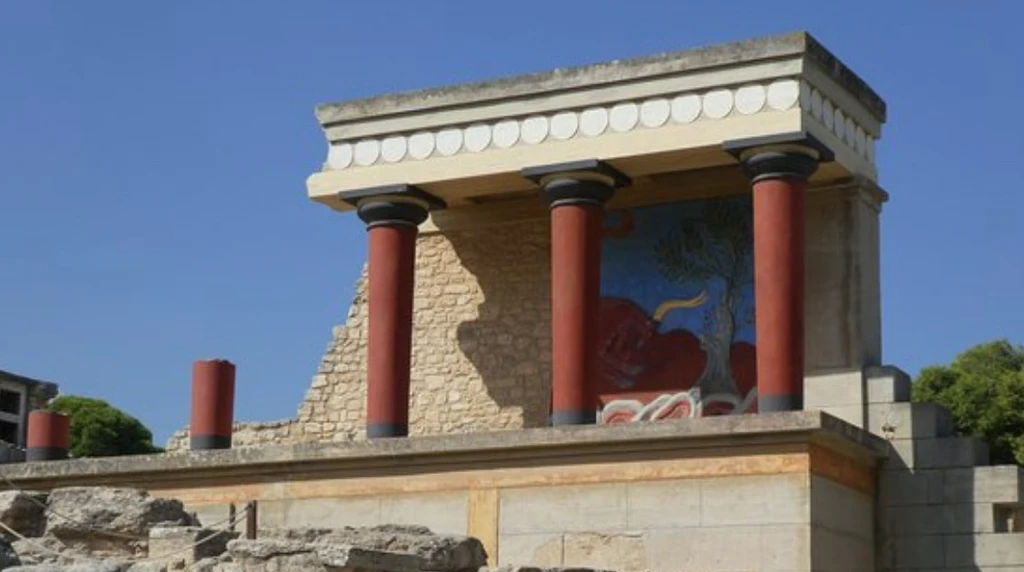
The Knossos archaeological site in Crete was forced to close unexpectedly on Thursday morning following two visitor collapses attributed to the extreme heat. A woman, approximately 55 years old, experienced severe discomfort and fainted. She was immediately taken to the site's medical office for first aid and subsequently transported for further care. Reports indicate that the high temperatures, reaching 43°C (109.4°F), created dangerous conditions for visitors. The incident has raised concerns about the safety of ancient sites during heatwaves and the adequacy of protective measures for tourists. Authorities are monitoring the situation closely, and further updates on the site's reopening are expected.
The incident at Knossos highlights the growing vulnerability of cultural heritage sites and their visitors to extreme weather events, a trend exacerbated by climate change. As temperatures rise globally, managing the risks associated with heat exposure at outdoor attractions becomes paramount. This necessitates a proactive approach, potentially involving adjusted operating hours, enhanced on-site medical facilities, and improved visitor advisories. Future planning for such sites should integrate climate resilience strategies to ensure both preservation of historical assets and the safety of the public in an era of increasing climatic instability.
AI-generated to prompt reflection — not editorial opinion, not advice, not a statement of fact. How this works.