Kobe University Researchers Discover Bacteria Capable of Degrading 'Forever Chemicals' PFAS
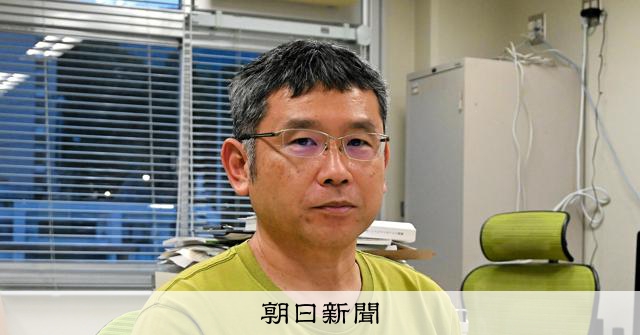
Researchers at Kobe University have announced the discovery of a bacterium with the ability to break down per- and polyfluoroalkyl substances (PFAS), often referred to as 'forever chemicals' due to their persistence in the environment. This groundbreaking research offers a potential biological solution to a significant environmental challenge.
PFAS are a group of synthetic chemicals widely used in various industrial and consumer products, including non-stick cookware, firefighting foam, and water-repellent fabrics. Their strong chemical bonds make them extremely resistant to degradation, leading to widespread contamination of soil, water, and even human blood. The accumulation of PFAS in the environment and living organisms has raised serious concerns about potential health risks, including links to certain cancers, immune system dysfunction, and developmental issues.
The Kobe University team's discovery marks a significant step forward in the search for effective methods to remove these persistent pollutants. While the specific species of bacteria and the exact mechanisms of PFAS degradation are still under detailed investigation, this finding opens new avenues for developing bioremediation strategies. Future research will likely focus on optimizing the bacteria's efficiency and exploring its application in real-world environmental cleanup scenarios.
The discovery of bacteria capable of degrading PFAS presents a potentially transformative approach to addressing the global challenge of 'forever chemicals.' This biological solution, if scalable and efficient, could offer a more sustainable and environmentally friendly alternative to current remediation methods, which are often energy-intensive and costly. The long-term implications for environmental cleanup technologies and public health are substantial, potentially mitigating the risks associated with PFAS accumulation. Future research will need to rigorously assess the efficacy, safety, and economic viability of this method, considering the complex environmental conditions in which it might be deployed and the diverse range of PFAS compounds that exist.
AI-generated to prompt reflection — not editorial opinion, not advice, not a statement of fact. How this works.