Kolkata event explores evolution of Bengali music listening habits
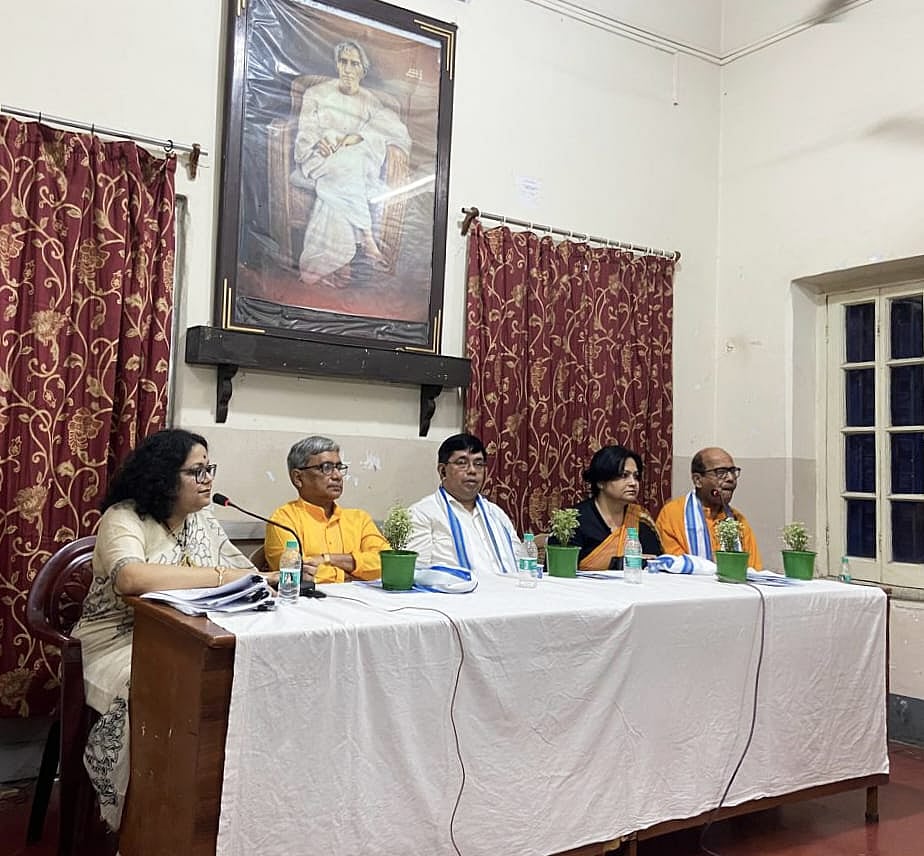
On the eve of World Hearing Day, celebrated annually on July 18, a special discussion was held in Kolkata focusing on the theme 'Listening as a Practice.' The event, organized by the Sarat Samiti at Sarat Chandra Basak Bhavan, delved into the evolution of Bengali music listening, tracing its journey from early gramophone records ('kaler gaan') to modern digital formats like reels. The discussion highlighted the cultural significance of music consumption and the importance of listening skills in daily life.
The program featured insights from various speakers, including Sanjit Mitra, General Secretary of Rammohan Library and Free Reading Room, who shared details about their collection of approximately 5,000 gramophone records and their monthly listening sessions. Paramanda Chowdhury, a renowned music record collector, presented a recording of Kazi Nazrul Islam's song dedicated to Rabindranath Tagore's demise, evoking strong emotions among the audience.
Nilaadri Deb Bhattacharya, co-owner of Bihaan Music, expressed concerns about the challenges of preserving healthy culture in the current era, echoing the sentiment of fading legacies. Psychiatrist and singer Indira Bandyopadhyay emphasized the declining habit of active listening and its impact on relationships, advising on how to cultivate better listening skills. The event also included a rare opportunity for attendees to listen to music from original gramophone records, offering a tangible connection to the past.
This event highlights a cultural nostalgia for the era of gramophone records, juxtaposed with the realities of technological advancement and evolving media consumption. The discussion on 'Listening as a Practice' touches upon a critical aspect of human interaction and cultural preservation in an increasingly fragmented digital landscape. The organizers and participants are preserving a significant part of Bengali cultural heritage by revisiting the history of music recording and playback. However, the underlying tension between preserving past forms and adapting to future technological shifts presents a systemic challenge for cultural institutions. The event implicitly raises questions about how societies balance the value of historical artifacts and practices with the inevitability of technological progress and changing audience preferences.
AI-generated to prompt reflection — not editorial opinion, not advice, not a statement of fact. How this works.