Korea's Semiconductor Sector Grapples with a 40-Year-Old Agreement
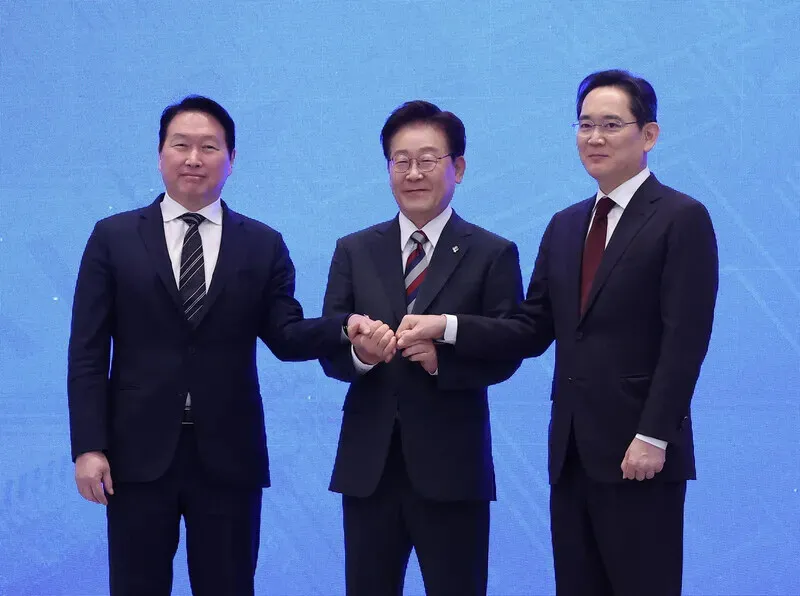
Korea's rapidly expanding semiconductor industry is currently facing challenges stemming from a 40-year-old agreement. The details of this agreement and its specific impact on the sector are not elaborated upon in the provided text. However, its age suggests it may pertain to foundational aspects of the industry, such as intellectual property rights, market access, or technological collaboration. The fact that this long-standing pact is now considered a 'haunting' element indicates a potential misalignment with current industry practices, global trade dynamics, or the sector's ambitious growth trajectory. This situation highlights the complexities of maintaining competitiveness in a fast-evolving technological landscape, where historical frameworks can become hindrances. The article suggests that addressing the implications of this agreement is crucial for the continued success and stability of South Korea's vital semiconductor sector. Further examination would be needed to understand the precise nature of the agreement and the specific issues it presents to modern semiconductor manufacturing and innovation.
The enduring influence of legacy agreements on rapidly advancing industries like semiconductors presents a recurring systemic challenge. As technological frontiers expand and global market dynamics shift, historical frameworks, even those established with foresight, can inadvertently create friction or limit future strategic flexibility. This situation underscores the importance of periodic review and potential renegotiation of foundational pacts to ensure alignment with contemporary economic, technological, and geopolitical realities. The semiconductor sector's high stakes in global innovation and supply chain resilience necessitate proactive governance that can adapt to change, balancing established commitments with the imperative for future growth and competitiveness in the coming decade.
AI-generated to prompt reflection — not editorial opinion, not advice, not a statement of fact. How this works.