Korea, US, Japan Collaborate on SMR Project to Counter China, Russia in Nuclear Exports
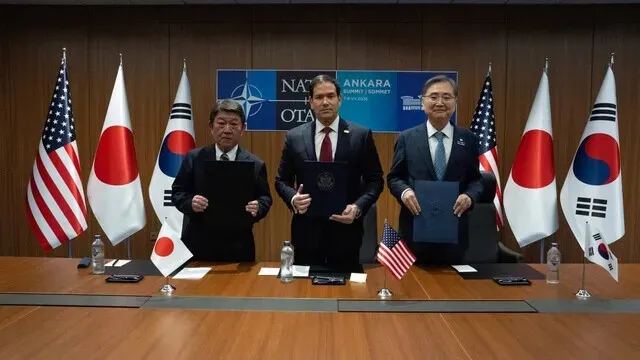
A collaborative project involving South Korea, the United States, and Japan is being framed as a strategic alliance aimed at preventing China and Russia from achieving dominance in the global nuclear energy export market. The initiative focuses on Small Modular Reactors (SMRs), a next-generation nuclear technology. By pooling resources and expertise, the three nations intend to establish a strong foothold in the evolving landscape of nuclear power generation. This partnership seeks to leverage their collective technological capabilities and market influence to offer competitive SMR solutions internationally. The project is viewed as a geopolitical move to ensure a diversified and secure supply of nuclear energy technologies, thereby challenging the established export positions of China and Russia. It highlights a growing trend of international cooperation in the nuclear sector, driven by both economic opportunities and strategic considerations. The alliance aims to foster innovation and accelerate the deployment of SMRs worldwide, promoting advanced nuclear safety and efficiency standards.
The trilateral collaboration on Small Modular Reactors (SMRs) between South Korea, the United States, and Japan represents a significant strategic alignment in the global nuclear energy sector. This initiative appears designed to proactively shape the future market for nuclear power exports, particularly in light of increasing competition from state-backed entities in China and Russia. By focusing on SMRs, the alliance targets a nascent but potentially transformative segment of the nuclear industry, emphasizing technological advancement and market diversification. The partnership could foster innovation and establish new international norms for nuclear technology deployment, potentially influencing global energy security dynamics over the next decade. This strategic approach may also serve to reinforce existing geopolitical alliances while simultaneously creating new economic opportunities and technological dependencies.
AI-generated to prompt reflection — not editorial opinion, not advice, not a statement of fact. How this works.