Korean Beauty Products May Not Suit Brazilian Hair Types, Expert Warns
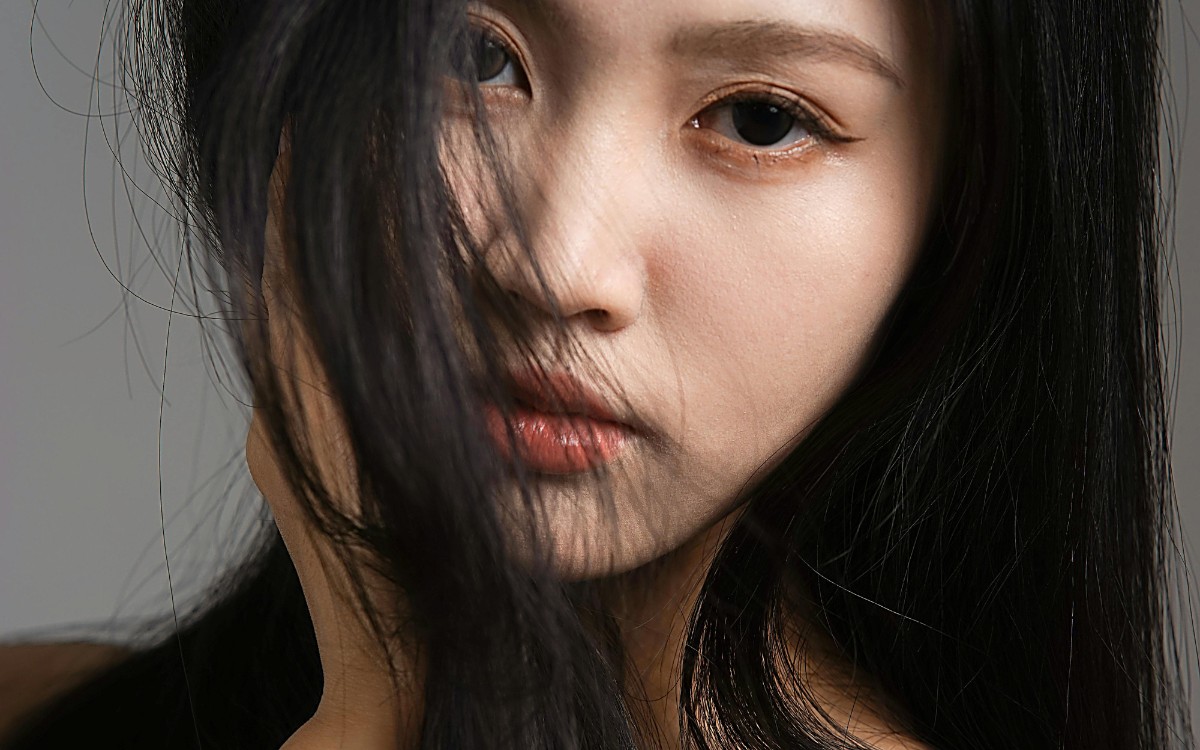
Dermatologist Dr. Fabiana Addario, a specialist in medical and cosmetic trichology with over 25 years of experience, is observing a growing trend of Brazilian women aged 18-35 experiencing hair issues due to the use of Korean beauty products. While acknowledging the advanced technology and research invested by the Korean cosmetics industry, Dr. Addario highlights that these products are primarily formulated for Asian hair structure. Asian hair is genetically distinct, characterized by greater density, lower porosity, less genetic variation leading to predominantly straight or slightly wavy textures, and a more acidic natural pH between 4.0 and 5.0. These specific traits allow Korean formulations to perform exceptionally well for their intended market. However, Brazil boasts one of the world's most diverse hair types, encompassing straight, wavy, curly, coily, and mixed textures, along with varying porosity and damage levels from chemical treatments. Dr. Addario notes that many Brazilian women purchase Korean products based on viral trends or recommendations, initially seeing positive results like shine. Over time, their hair can become dry, brittle, and lose definition, leading them to believe their hair is difficult to manage. The dermatologist clarifies that this is not the case; rather, the products are simply not designed for their hair's unique biological and structural needs. She emphasizes that trichology involves a deep understanding of hair biology, genetics, formulation chemistry, and porosity, going beyond basic dermatology. Her diagnostic method involves a thorough patient history, digital trichoscopy, traction tests, and laboratory exams to identify nutritional deficiencies before recommending treatments. Dr. Addario advises consumers to question the suitability of viral products for their specific hair type, considering texture, formulation purpose, pH level (Brazilian hair typically needs 4.5-5.5), and seeking reviews from individuals with similar hair. She concludes that the best product is one formulated for an individual's hair structure, recommending consultation with a trichology specialist if unsure.
The increasing global popularity of beauty products from specific regions, like K-Beauty, can outpace consumer understanding of product formulation and biological compatibility. While innovation in the cosmetics industry is driven by market demand and technological advancement, a one-size-fits-all approach, even with high-quality products, risks suboptimal outcomes when applied across diverse populations with distinct genetic and environmental hair characteristics. This situation underscores the importance of transparent product labeling that specifies intended hair types and the need for consumers to prioritize personalized advice from qualified specialists over trend-driven purchasing. Moving forward, the beauty industry may need to develop more nuanced product lines that cater to a wider spectrum of hair structures, or enhance educational efforts to guide consumers toward appropriate choices within a globalized market.
AI-generated to prompt reflection — not editorial opinion, not advice, not a statement of fact. How this works.