Koshi Province Chief Minister Refuses to Resign Amid Party Pressure
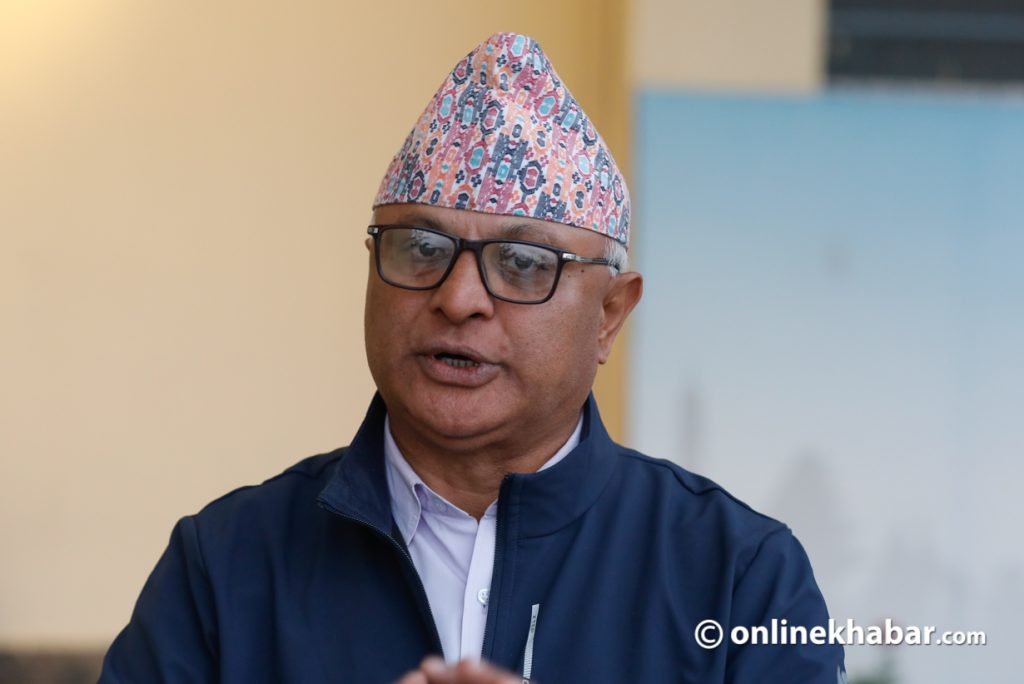
Hikkmat Kumar Karki, the Chief Minister of Koshi Province, has stated that he will not resign from his position under the current circumstances. The Communist Party of Nepal (Unified Marxist–Leninist) (CPN UML) has been pressuring him to step down. However, Karki has refused, insisting that any decision regarding his resignation must come from the party itself. He believes he is the most suitable person to unite the party and the parliamentary party, and to resolve the current political deadlock. Karki made these remarks in Biratnagar on August 5th. He emphasized his commitment to leading the party and parliamentary group cohesively and untangling the political complexities. His stance indicates a potential internal party conflict regarding leadership and strategy in the province.
The political maneuvering by Chief Minister Karki highlights the complex interplay between party directives and individual leadership within Nepal's provincial governance. While the CPN UML exerts pressure for a change in leadership, Karki's assertion of suitability and demand for a formal party decision underscore a strategic effort to consolidate his position. This situation reflects broader challenges in political party discipline and leadership transitions, particularly in emerging democracies. The resolution of this standoff will likely have implications for political stability and policy implementation in Koshi Province, testing the party's internal cohesion and Karki's ability to navigate these pressures in the coming months.
AI-generated to prompt reflection — not editorial opinion, not advice, not a statement of fact. How this works.
