Koshy Province Chief Minister's Position in Jeopardy Amidst Party Rift
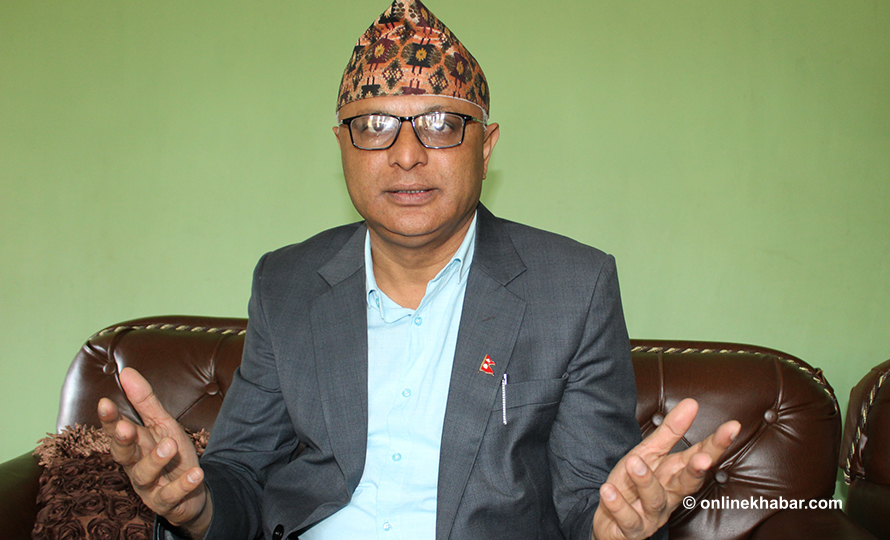
The position of Koshy Province Chief Minister Hikmat Kumar Karki is in jeopardy following a deterioration in his relationship with CPN-UML Chairman KP Sharma Oli. Despite receiving a directive from Chairman Oli to resign, Chief Minister Karki has not complied. This internal party conflict has placed his leadership under significant pressure. The CPN-UML party has reportedly refused to support a no-confidence motion against Karki, indicating a complex political maneuver. The situation highlights internal power struggles within the party and their direct impact on provincial governance. Karki's defiance of Oli's order suggests a potential challenge to the party leadership's authority at the provincial level. The refusal to back a no-confidence motion by the party itself is an unusual development, possibly aimed at managing the fallout or consolidating support in a different manner. The political future of Chief Minister Karki now hangs in the balance, contingent on the evolving dynamics within the CPN-UML.
The political instability in Koshy Province, stemming from a rift between the Chief Minister and the CPN-UML Chairman, illustrates the challenges of centralized party control over regional governance. Chief Minister Karki's refusal to resign despite party directives suggests a potential assertion of provincial autonomy or a strategic calculation of his support base. The party's refusal to support a no-confidence motion, while seemingly contradictory, may reflect an attempt to avoid further public division or to leverage the situation for future political gains. This dynamic underscores the inherent tension between party discipline and the practicalities of leading a provincial government, especially in an era where regional political actors may seek greater independence. The long-term implications could involve a re-evaluation of power distribution between central party leadership and provincial executives.
AI-generated to prompt reflection — not editorial opinion, not advice, not a statement of fact. How this works.
