Kota Mothers Demand Euthanasia After 70 Days of Kidney Failure Treatment
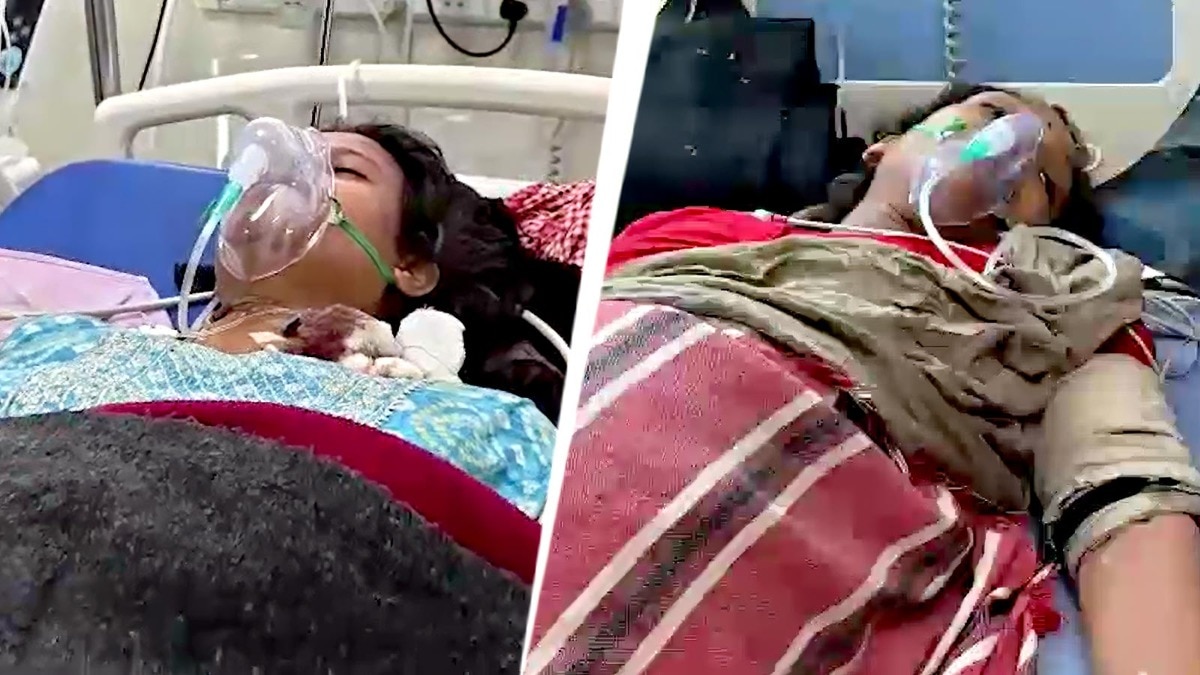
Five new mothers undergoing treatment for kidney failure at New Medical College Hospital in Kota, India, have refused dialysis after a 48-hour ultimatum expired. They have been receiving treatment for approximately 70 days. The women have stated that if the government cannot arrange for their kidney transplants, they should be granted permission for euthanasia. Their plea highlights a critical situation where patients are facing prolonged suffering and seeking drastic measures due to the lack of definitive treatment options.
This situation underscores the profound ethical and logistical challenges in providing long-term critical care, particularly for conditions like kidney failure requiring transplantation. The patients' demand for euthanasia, while extreme, reflects a desperate response to prolonged suffering and perceived governmental inaction or inability to provide a life-saving solution. From a systemic perspective, this highlights potential gaps in healthcare infrastructure and resource allocation for advanced treatments like organ transplantation. Future policy considerations might involve improving access to dialysis, enhancing transplant waiting list management, and exploring alternative treatment pathways to prevent patients from reaching such critical junctures where their only perceived options are continued suffering or the end of life. The case prompts reflection on the balance between patient autonomy, the state's responsibility in healthcare provision, and the ethical boundaries of medical intervention.
AI-generated to prompt reflection — not editorial opinion, not advice, not a statement of fact. How this works.