Kowloon Walled City Film Set Recreates Slum Atmosphere, Draws Local Visitors
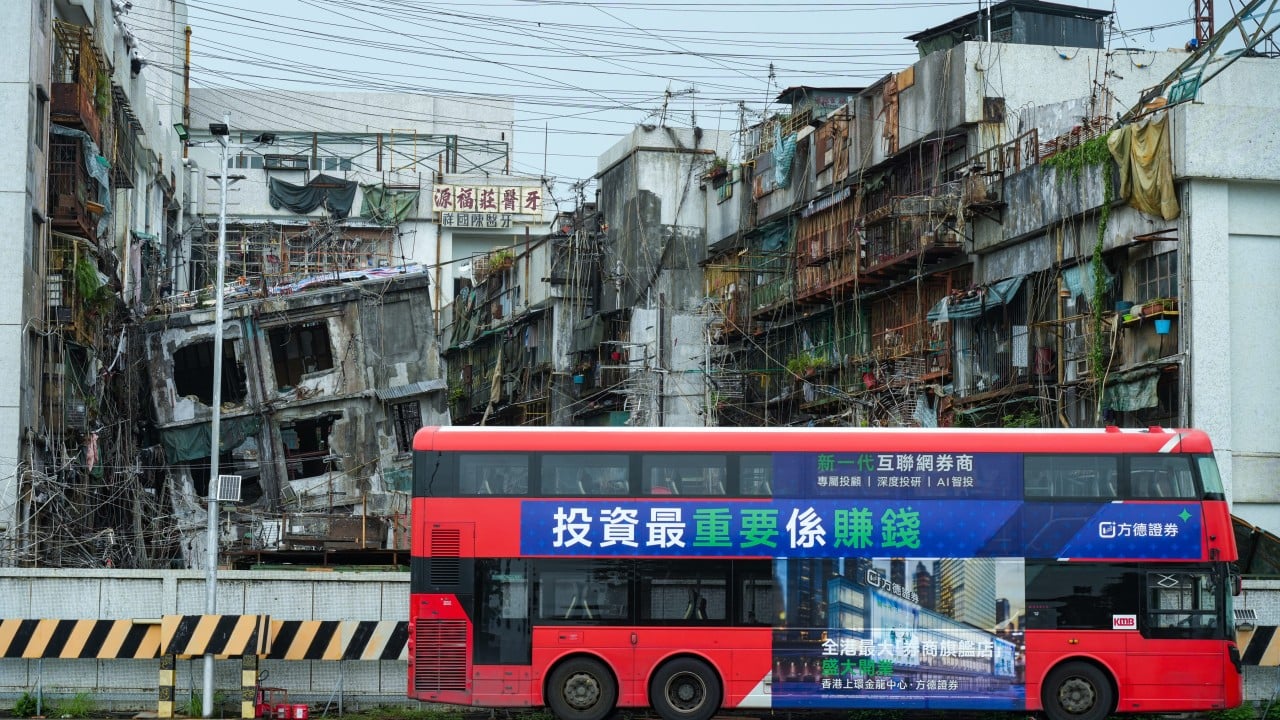
A detailed set designed to evoke the gritty atmosphere of a Hong Kong slum has been constructed in Yuen Long for the sequel to the popular film "Twilight of the Warriors: Walled In." Located within the Yuen Long InnoPark, the set occupies an empty factory site and meticulously recreates the iconic Kowloon Walled City. Specific details, such as a banner pleading for the survival of homes, contribute to the nostalgic and authentic feel of the environment. The construction aims to capture the essence of the historical Kowloon Walled City, a densely populated area known for its unique urban landscape. The film's sequel is expected to leverage this immersive set to enhance its nostalgic narrative. The set's realistic design has also attracted interest from local residents, who have visited the location. This cinematic recreation highlights the enduring cultural significance of the Kowloon Walled City and its impact on Hong Kong's identity.
The creation of this elaborate film set for "Twilight of the Warriors: Walled In" sequel reflects a growing trend in cinematic production to leverage immersive, historically-inspired environments. By meticulously recreating the Kowloon Walled City, the production taps into a potent sense of nostalgia and cultural heritage, potentially resonating deeply with audiences familiar with Hong Kong's complex urban past. The set's design, including specific visual cues like the "pleading" banner, suggests an effort to evoke not just the physical space but also the social and economic conditions of the era. This approach raises questions about how historical narratives are constructed and consumed through popular media, particularly concerning the romanticization or dramatization of challenging living conditions. The public's draw to the set also indicates a broader societal interest in tangible connections to historical urban experiences, especially in rapidly modernizing cities like Hong Kong.
AI-generated to prompt reflection — not editorial opinion, not advice, not a statement of fact. How this works.