KP Chief Minister Denies Existence of 'Imran Khan Release Force' in Court Filing
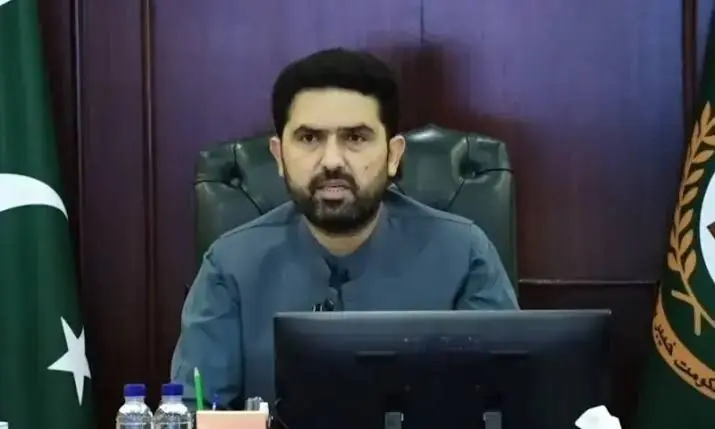
Khyber Pakhtunkhwa Chief Minister Sohail Afridi has formally denied the existence of any armed group or paramilitary setup intended to secure the release of former Prime Minister Imran Khan. In a filing with the Federal Constitutional Court (FCC), Afridi stated that the "Imran Khan Rehayi Aman Movement" is a peaceful, voluntary civic initiative focused on raising awareness about due process of law. He characterized the petition challenging the movement as speculative and politically motivated, arguing it should be dismissed.
The Chief Minister's rejoinder, submitted in response to a petition by Malik Zaheer Ahmed, asserts that no "Imran Khan Rehayi Force" has ever been constituted, notified, or operationalized. He emphasized that any prior references to a "force" were misinterpreted and lack legal or factual basis. The movement's stated objective is lawful, democratic advocacy for Imran Khan's release, without any element of coercion or militancy. Afridi dismissed comparisons to historical militant organizations as factually incorrect and legally untenable.
The filing further clarifies that the KP Chief Minister's role is limited to provincial governance and welfare, and policy decisions regarding political movements fall under the purview of the political party, not his official capacity. Afridi argued that the petition fails to meet constitutional thresholds for invoking the court's jurisdiction, lacking evidence of fundamental rights violations and relying on hypothetical grounds. He concluded that the petition is premature, speculative, and based on misrepresentations, urging its dismissal.
This legal filing addresses public concerns regarding potential extra-constitutional actions by presenting a defense of lawful advocacy. The Chief Minister's statement frames the movement as a civic initiative, distinguishing it from any coercive or militant organization. This reframing aims to de-escalate potential political tensions by emphasizing adherence to legal and constitutional processes. The analysis of such movements often involves examining the interplay between political expression, public order, and the state's responsibility to uphold the rule of law. Future developments will likely depend on the court's interpretation of the evidence presented and the broader political context surrounding Imran Khan's incarceration and the activities of his supporters.
AI-generated to prompt reflection — not editorial opinion, not advice, not a statement of fact. How this works.