KP Governor Distances Himself from New Law Granting Privileges to Lawmakers
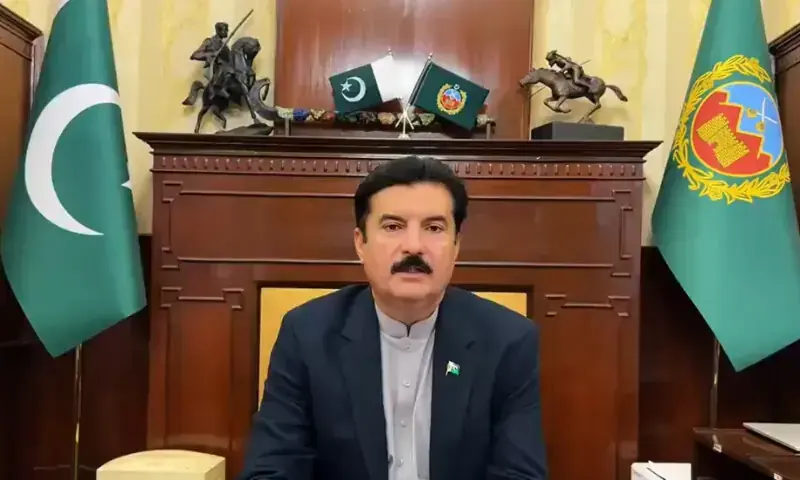
Khyber Pakhtunkhwa Governor Faisal Karim Kundi has publicly distanced himself from a new law that expands the powers and immunities of provincial assembly members, stating that his reservations are officially recorded. The KP Provincial Assembly (Powers, Immunities and Privileges) Act, 2026, was passed on April 30 and assented to by Governor Kundi on May 6. However, following public outcry, KP Chief Minister Sohail Afridi has ordered a review of the law's provisions. Governor Kundi emphasized that his concerns were raised in May, asserting that no law should increase privileges when citizens, particularly those in KP, are facing economic hardship and austerity measures. He advocated for the law's implementation with fiscal discipline and prudent use of public resources, arguing that a government citing financial constraints should not simultaneously legislate greater benefits for its officials. His published observations recommended that the provincial assembly's finance committee adopt the prime minister's austerity measures, including expenditure cuts and the elimination of unnecessary privileges. The new law grants provincial assembly members lifetime official passports for themselves and their spouses, blanket immunity from preventive detention, and licenses for up to eight non-prohibited-bore weapons. This legislation repeals the 1988 law, retaining most provisions but expanding certain privileges, such as altering the conditions under which members are protected from preventive detention.
The governor's public statement, made after assenting to the law and following public backlash, suggests a strategic maneuver to align with public sentiment and distance himself from potentially unpopular legislation. This situation highlights a common tension in governance: the balance between providing necessary protections and immunities for lawmakers to perform their duties effectively and ensuring that public resources are used judiciously, especially during times of economic austerity. The review ordered by the Chief Minister indicates an acknowledgment of the law's problematic optics and potential impact on public trust. Future legislative efforts in this domain will likely need to navigate increased scrutiny regarding the proportionality of lawmaker privileges relative to the economic conditions of the populace and the broader principles of fiscal responsibility.
AI-generated to prompt reflection — not editorial opinion, not advice, not a statement of fact. How this works.