KPK Responds to 2-Year Prison Sentence for Riau Governor Abdul Wahid
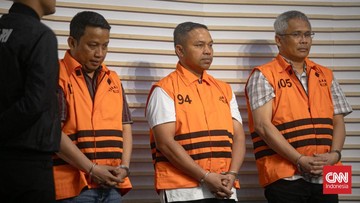
The Corruption Eradication Commission (KPK) has responded to the court's decision to sentence the non-active Governor of Riau, Abdul Wahid, to two years in prison. The verdict was delivered by the judges, who found the governor guilty and imposed the prison term. This sentence comes after a legal process where Abdul Wahid's actions were scrutinized. The KPK's response indicates their engagement with the judicial outcome concerning corruption charges. The specific details of the charges and the evidence presented leading to this verdict have been a focus of the legal proceedings. The two-year sentence signifies a judicial acknowledgment of wrongdoing, as determined by the court. This case highlights the ongoing efforts to address corruption within regional government structures in Indonesia. The KPK will likely continue to monitor the implementation of the sentence and any further legal implications.
The judicial outcome for the Governor of Riau, Abdul Wahid, represents a legal consequence for alleged corruption. The two-year prison sentence, as determined by the court, reflects the judicial system's response to the evidence presented. Such cases underscore the challenges in maintaining governance integrity and the mechanisms in place for accountability. The KPK's involvement signifies the state's commitment to combating corruption, which can impact public trust and resource allocation. Moving forward, the focus will be on the effective implementation of the sentence and the broader implications for anti-corruption efforts in Indonesia's regional administrations. This event prompts reflection on the systemic factors that may contribute to corruption and the continuous need for robust oversight and transparent governance to prevent future occurrences.
AI-generated to prompt reflection — not editorial opinion, not advice, not a statement of fact. How this works.