Kremlin Bars Boris Nadezhdin, Last Opposition Figure to Mobilize Russians Against Putin, from Elections
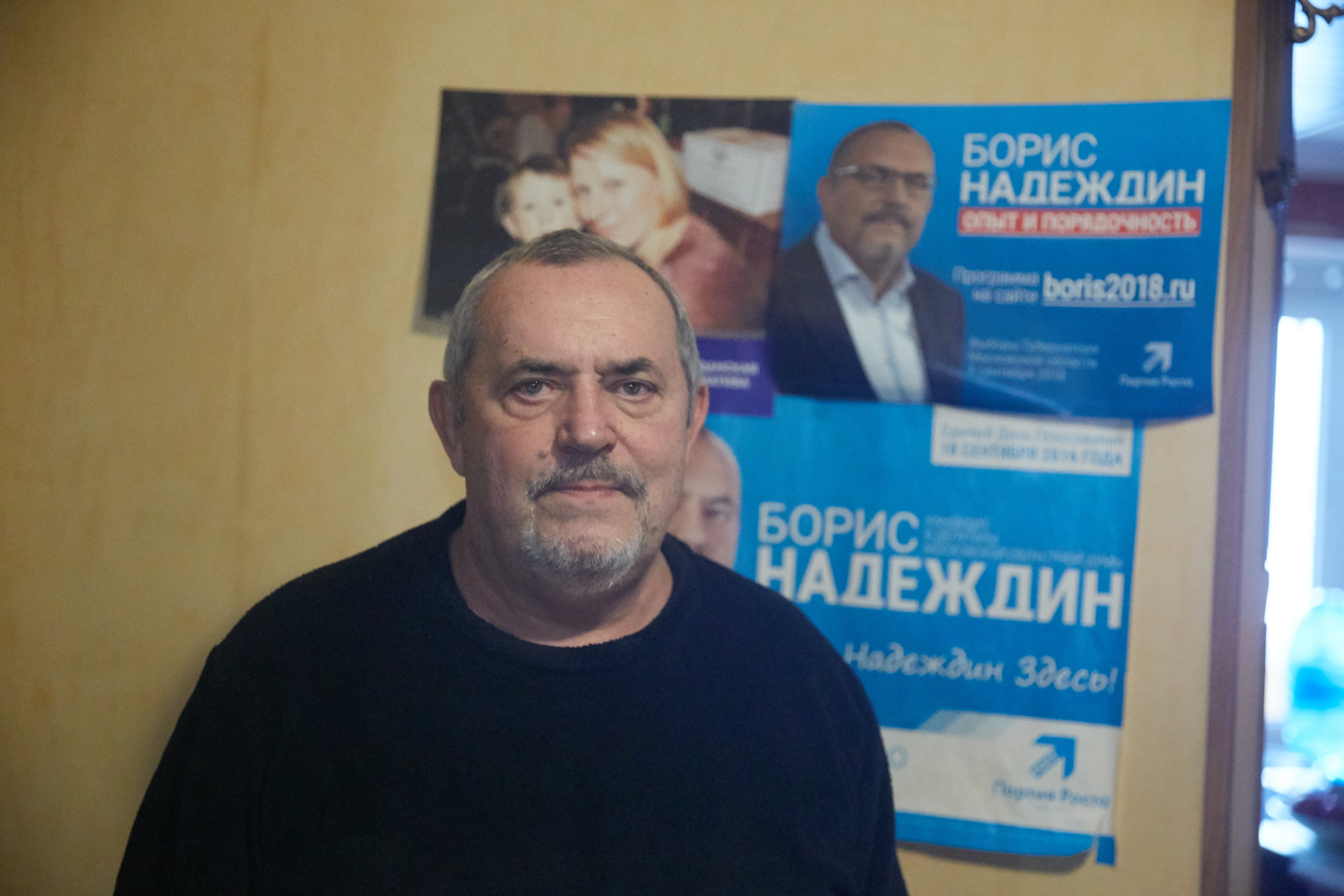
Russian opposition politician Boris Nadezhdin has been arrested and barred from participating in the upcoming legislative elections in September. This action comes just three days after he was declared a "foreign agent" by the authorities. Nadezhdin was the last prominent opposition figure who had managed to mobilize significant public support against President Vladimir Putin. His arrest and disqualification effectively remove a key voice of dissent from the electoral process. The move signals a further tightening of political space in Russia ahead of the elections. Nadezhdin had previously gained attention for his critical stance and his ability to rally citizens who were disillusioned with the current political landscape. The designation as a "foreign agent" is often used by Russian authorities to discredit and suppress opposition figures and independent media. This latest development underscores the Kremlin's efforts to control the political narrative and limit any challenge to its authority.
The disqualification of Boris Nadezhdin from elections, following his designation as a "foreign agent," illustrates a pattern of consolidating political control by Russian authorities. This approach leverages legal designations to preemptively neutralize potential opposition, thereby shaping the electoral landscape. Such actions reflect a governance strategy that prioritizes stability and the maintenance of existing power structures over the inclusion of diverse political viewpoints. From a long-term perspective, limiting avenues for public dissent and electoral competition may create systemic pressures, potentially impacting societal resilience and the evolution of political discourse in the coming decade. This dynamic warrants observation regarding its influence on future political engagement and the development of alternative leadership within the Russian Federation.
AI-generated to prompt reflection — not editorial opinion, not advice, not a statement of fact. How this works.