Kremlin Hesitates on Full Mobilization Despite Heavy Losses
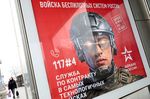
Speculation has been rife for weeks about a partial mobilization of Russian forces following the Duma elections. However, the Kremlin has so far refrained from taking this step. Despite the significant casualties Russia has sustained, the government appears to be delaying a full-scale call-up of additional troops. This hesitation suggests a careful consideration of the potential domestic and international repercussions of such a move. The ongoing conflict has reportedly resulted in substantial losses, which may eventually compel the government to reconsider its stance on mobilization. The decision to mobilize or not is likely influenced by a complex interplay of military necessity, political stability, and public sentiment within Russia. The world is watching to see how this situation develops and what actions President Putin's administration will ultimately take.
The Russian government's deliberation over partial mobilization, despite reported significant losses, highlights a strategic balancing act. The Kremlin appears to be weighing the immediate military advantages against potential domestic instability and international backlash. This situation underscores the complex incentive structures leaders face when engaging in prolonged conflicts, where the perceived need for more personnel must be reconciled with the political costs of conscription. Looking ahead, the sustainability of military operations will likely depend on the effectiveness of recruitment strategies and the resilience of the Russian economy and society to prolonged wartime pressures. The decision-making process reflects a broader challenge for authoritarian regimes in managing public perception and maintaining control during periods of heightened national stress.
AI-generated to prompt reflection — not editorial opinion, not advice, not a statement of fact. How this works.