Kremlin Responds to Claims of Turkey Selling S-400 Missiles to Third Country
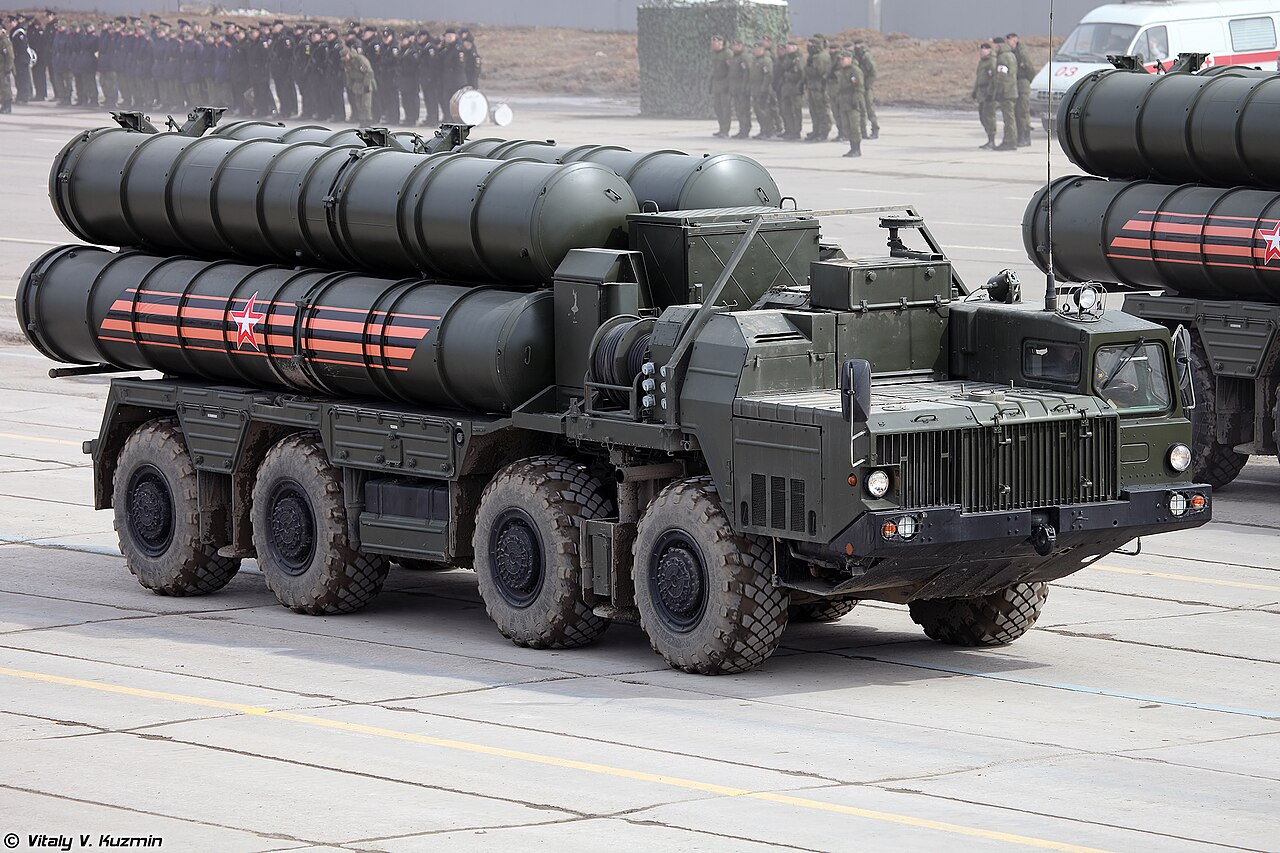
The Kremlin has addressed allegations that Turkey is planning to sell its S-400 missile defense systems to another country. These claims have surfaced recently, prompting a response from Russian officials. The S-400 system is a sophisticated air defense missile system developed by Russia. Turkey's acquisition of the S-400 from Russia in 2017 caused significant friction with its NATO allies, particularly the United States. The US has expressed concerns that the Russian system could compromise NATO's military capabilities and sensitive technologies. As a result of the S-400 purchase, Turkey was removed from the F-35 fighter jet program. The potential sale of these systems to a third party would raise further geopolitical questions and could complicate Turkey's relationships with both Russia and its Western allies. The Kremlin's statement is expected to clarify Russia's position on such a transaction and its implications for regional security. Further details on the nature of the allegations and the specific countries involved have not been fully disclosed.
The potential transfer of advanced Russian S-400 missile systems by Turkey to a third country presents a complex geopolitical and strategic dilemma. Such a move could have significant implications for regional power dynamics, particularly concerning NATO's defense posture and interoperability. The initial acquisition of the S-400s already strained Turkey's relationship with NATO allies, leading to sanctions and exclusion from defense programs. If Turkey were to re-export these systems, it would likely trigger further scrutiny from both Russia and Western nations, potentially impacting future defense cooperation and arms sales for all parties involved. This situation highlights the intricate balance of security interests and geopolitical alliances in a multipolar world, where strategic assets can become leverage points in international relations.
AI-generated to prompt reflection — not editorial opinion, not advice, not a statement of fact. How this works.