Kremlin's Strategy: Engaging Western Influencers for Russian Promotion
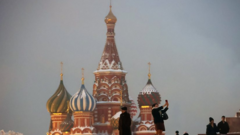
Following its full-scale invasion of Ukraine in February 2022, Russia has been actively seeking new avenues to connect with Western audiences. This initiative comes after significant repercussions, including the banning of state-controlled media outlets like RT and Sputnik across much of Europe. Additionally, the country faced the expulsion of dozens of Russian diplomats from various European nations. The Kremlin's current approach involves leveraging Western social media influencers to disseminate its narratives and promote its interests. This strategy aims to circumvent traditional media restrictions and reach demographics that may be less exposed to state-sponsored Russian news channels. The effort reflects a broader challenge for Russia in maintaining its global communication channels amidst international sanctions and diplomatic isolation.
The Kremlin's engagement with Western influencers represents a strategic adaptation to the evolving media landscape and geopolitical pressures. By utilizing non-traditional communication channels, Russia aims to bypass established media censorship and reach diverse audiences, potentially fostering alternative perspectives on international events. This approach highlights the growing influence of social media in shaping public opinion and the challenges governments face in controlling information flow in the digital age. Future analysis should consider the long-term effectiveness of such influencer-driven campaigns in shaping geopolitical narratives and the ethical implications of employing social media personalities for state-sponsored messaging.
AI-generated to prompt reflection — not editorial opinion, not advice, not a statement of fact. How this works.