Kremlin: Trump Wrong About Consequences of Strikes on Russia
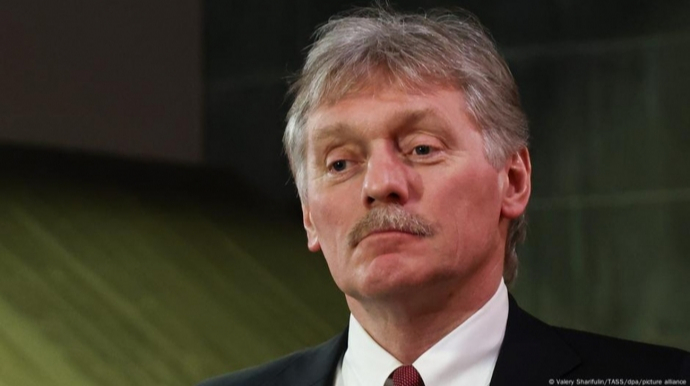
Kremlin spokesperson Dmitry Peskov stated that former U.S. President Donald Trump is mistaken regarding the potential outcomes of strikes against Russia. Peskov asserted that such attacks would not contribute to achieving peace. He also commented on the United States' stance concerning the Patriot missile defense system, describing it as ambiguous. The comments suggest a divergence in views between Russian leadership and prominent American political figures on international security and conflict resolution. Peskov's remarks highlight Russia's perspective on the impact of military actions and the diplomatic nuances surrounding advanced weaponry. This exchange underscores the complex geopolitical landscape and differing interpretations of actions that could escalate or de-escalate international tensions.
The Kremlin's response to Donald Trump's remarks indicates a strategic effort to frame international discourse on conflict. By characterizing Trump's views as erroneous and emphasizing that strikes on Russia do not foster peace, Moscow aims to shape perceptions of its defensive posture and the perceived aggressors. The reference to ambiguity in the U.S. position on Patriot systems suggests an attempt to exploit perceived divisions within U.S. foreign policy or to cast doubt on the reliability of Western military aid. This approach aligns with a broader strategy of narrative control, seeking to influence international opinion and potentially sow discord among allies by highlighting perceived inconsistencies or strategic miscalculations by adversaries. The focus on 'peace' as an outcome undermined by strikes serves as a rhetorical tool to justify its own actions and critique those of others, framing its narrative within a universally desirable goal while deflecting scrutiny from its own conduct.
AI-generated to prompt reflection — not editorial opinion, not advice, not a statement of fact. How this works.