Kruger National Park: Understanding 951 Elephant Deaths Beyond Simple Outrage
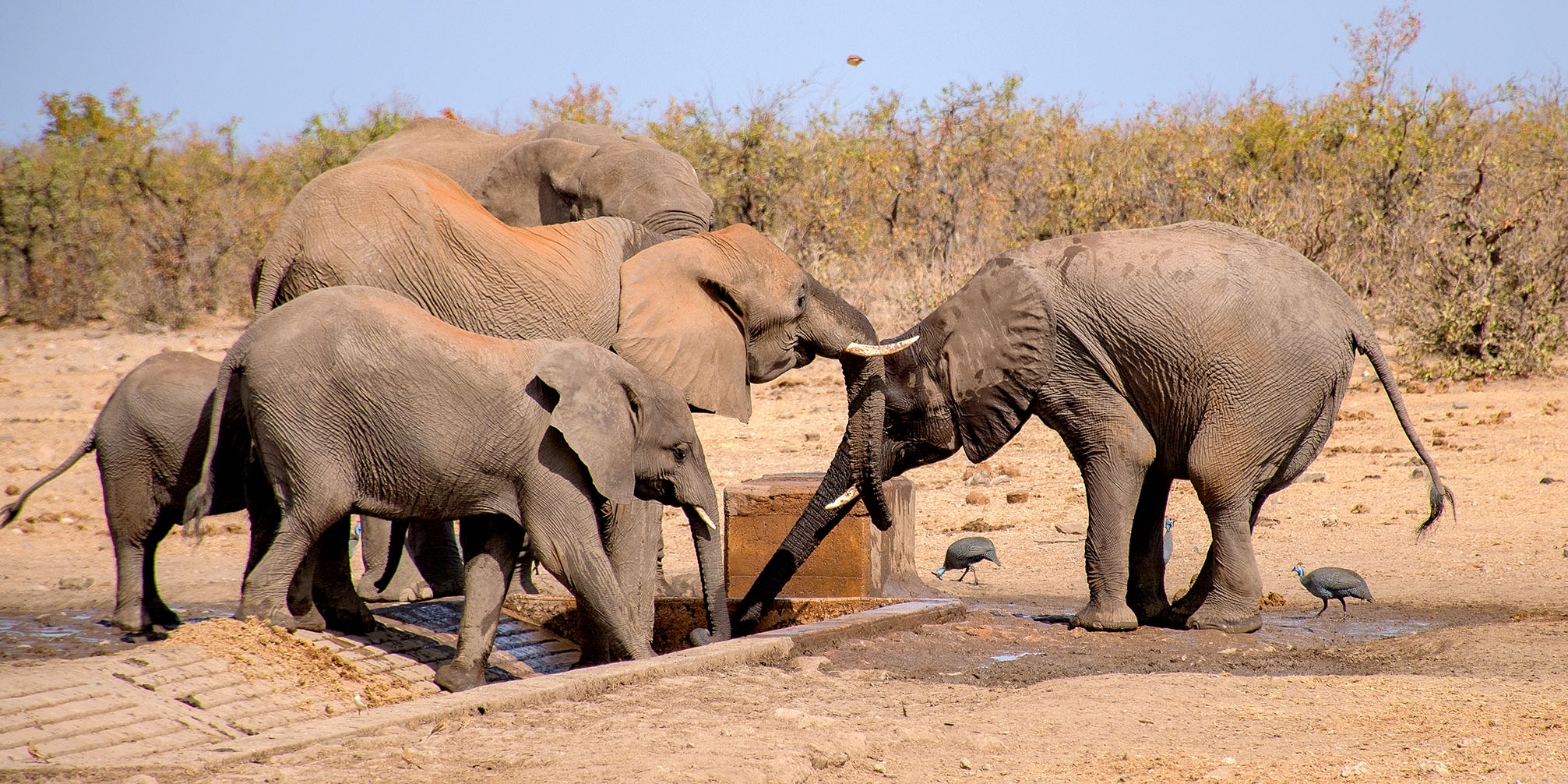
Kruger National Park has recorded 951 elephant deaths, a figure that necessitates a nuanced perspective rather than immediate outrage. The high mortality rate is attributed to a complex interplay of factors, including thriving elephant populations and natural life cycles within the park. Conservation efforts are continually challenged by the delicate balance required between protecting wildlife and ensuring human safety in the region. The park's management faces the ongoing task of navigating these competing priorities. Understanding the context behind these numbers is crucial for effective conservation strategies. The situation highlights the inherent difficulties in managing large wildlife populations within protected areas. It underscores the dynamic nature of ecosystems and the need for adaptive management approaches. The figures serve as a reminder of the ongoing efforts and challenges in wildlife conservation.
The reported elephant mortality figures in Kruger National Park present a complex management challenge. While the number 951 may appear alarming, it must be contextualized within the broader ecological dynamics of a thriving wildlife population. Conservation strategies often involve difficult trade-offs between population control, natural mortality, and human-wildlife conflict mitigation. Future management will likely require ongoing evaluation of population health metrics, habitat carrying capacity, and the effectiveness of anti-poaching and human safety measures. Considering the long-term trends in elephant populations and environmental factors will be essential for sustainable conservation in the coming decade.
AI-generated to prompt reflection — not editorial opinion, not advice, not a statement of fact. How this works.