Kuansing Regent's Envelope Allegedly Funded by Cooperative's Profit Share
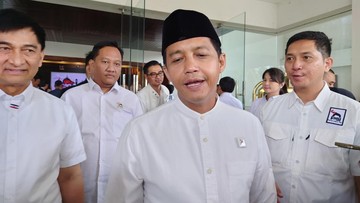
The Regent of Kuansing, Indonesia, is allegedly involved in a bribery case concerning the release of forest areas. An envelope containing money, believed to be part of the bribe, reportedly originated from the Sisa Hasil Usaha (SHU), which translates to Profit Sharing, of the 914 members of the Koperasi Unit Desa (KUD), a village cooperative unit. The SHU represents the accumulated profits distributed among the cooperative's members. This revelation suggests a potential misuse of cooperative funds for illicit purposes. The investigation is focusing on how these funds were diverted and who authorized their use in this alleged bribery scheme. The involvement of a cooperative, intended to benefit its members, raises questions about governance and accountability within the organization. Authorities are examining the financial records of the KUD to trace the flow of money and identify all individuals involved in the transaction. The case highlights the vulnerability of such organizations to corruption, especially when significant funds are involved.
This case highlights potential governance failures within local cooperatives, where member-contributed funds, intended for collective benefit through profit sharing (SHU), may have been diverted for illicit activities. The alleged use of cooperative profits for bribery in exchange for forest land release points to systemic risks in resource management and the potential for corruption at the intersection of local governance and economic entities. Future oversight mechanisms should focus on enhancing transparency in cooperative financial dealings and strengthening accountability frameworks to prevent the misappropriation of member assets for personal or illegal gain. This situation underscores the ongoing challenge of ensuring that resource-dependent economic activities align with both legal requirements and ethical standards, particularly in regions with significant natural resource wealth.
AI-generated to prompt reflection — not editorial opinion, not advice, not a statement of fact. How this works.