Kudatuli Commemorated with Theatrical Performance 30 Years Later
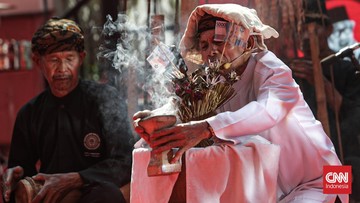
The Kudatuli, or July 27th Riot, was commemorated 30 years after the event through a theatrical performance. The reenactment depicted the masses of the PDI party, specifically portraying both the faction led by Soerjadi and the supporters of Megawati Soekarnoputri. This artistic representation aimed to bring the historical events of the Kudatuli to life for a contemporary audience. The performance served as a reminder of the political divisions and tensions that characterized that period in Indonesian history. By staging the event theatrically, organizers sought to engage viewers on an emotional and intellectual level, fostering a deeper understanding of the past. The actors embodied the fervor and conflict of the original events, highlighting the ideological differences between the two PDI factions. This commemoration underscores the enduring significance of the Kudatuli in Indonesia's political narrative. The use of theatrical and traditional rituals in the commemoration suggests a desire to connect historical memory with cultural identity. The performance likely aimed to educate younger generations about this pivotal moment and its implications.
The theatrical commemoration of the Kudatuli 30 years after the events offers a lens through which to examine historical memory and political reconciliation in Indonesia. By re-enacting the clashes between the Soerjadi and Megawati factions of the PDI, the performance highlights the enduring impact of political schisms. This approach, blending theatricality with traditional rituals, suggests a societal effort to process past conflicts and integrate them into a cohesive national narrative. Such commemorations can serve to foster public understanding and dialogue, potentially mitigating the recurrence of similar divisions by acknowledging their historical roots. The effectiveness of such symbolic acts in shaping future political discourse and preventing historical amnesia warrants ongoing observation.
AI-generated to prompt reflection — not editorial opinion, not advice, not a statement of fact. How this works.