Kulman Ghising Demands Government Revoke 5% VAT on Electricity
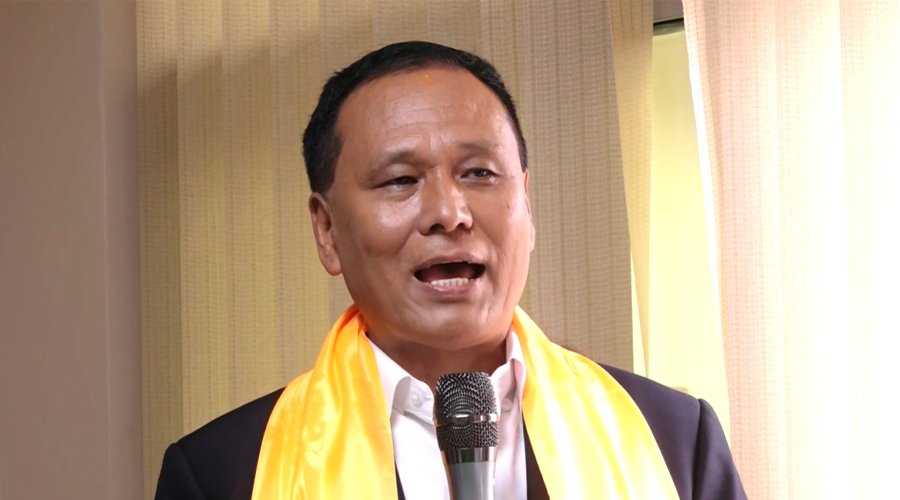
Kulman Ghising, chairman of the Bright Nepal Party (BNP), has urged the government to withdraw the 5% Value Added Tax (VAT) imposed on electricity consumption exceeding 50 units. Ghising expressed his support for the Prime Minister's recent decision to repeal the 3% equalization fee levied on private educational institutions and private healthcare facilities. He announced this demand via his Facebook account, advocating for the removal of the electricity VAT to ease the burden on consumers. The statement suggests a broader concern regarding taxation on essential services and private sector charges. Ghising's call implies a desire for more accessible and affordable utilities for the general populace. The BNP chairman's public appeal highlights a potential area of contention in Nepal's fiscal policy, particularly concerning indirect taxation on energy.
The demand to remove the 5% VAT on electricity consumption above 50 units, alongside the welcomed repeal of a 3% equalization fee on private education and healthcare, signals a focus on reducing the cost of living and essential services. This move by Kulman Ghising, chairman of the Bright Nepal Party, could be interpreted as an effort to gain public favor by advocating for consumer relief. From a policy perspective, such tax adjustments require careful consideration of government revenue streams and their impact on public services. The underlying incentive may be to stimulate demand for electricity and potentially reduce reliance on other energy sources, while also addressing affordability concerns in a developing economy. Future policy decisions will likely balance fiscal sustainability with social equity, particularly as Nepal navigates economic recovery and development goals.
AI-generated to prompt reflection — not editorial opinion, not advice, not a statement of fact. How this works.