Kumamoto Earthquake Disrupts "Silicon Island"; Semiconductor Factories Face Uncertain Restart
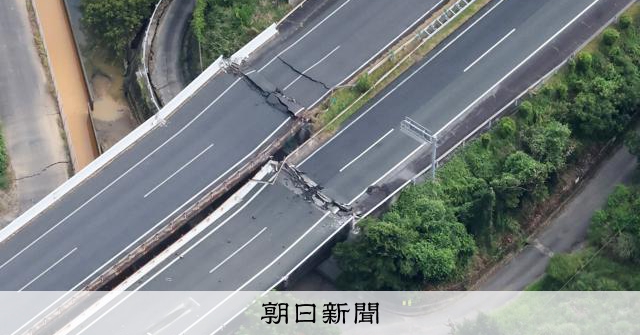
The Kumamoto earthquake has significantly impacted Japan's "Silicon Island," a region heavily reliant on semiconductor manufacturing. Several key semiconductor factories in the Kyushu region have been forced to halt operations due to the seismic event. As of the latest reports, there is no clear indication of when these crucial facilities will be able to resume production. The disruption poses a considerable threat to the global semiconductor supply chain, given the concentration of advanced manufacturing capabilities in this area. Local authorities and company officials are assessing the full extent of the damage to infrastructure and production equipment. Efforts are underway to ensure the safety of workers and the surrounding communities while also planning for the eventual restoration of operations. The long-term economic consequences for the region and the broader tech industry are yet to be fully determined, but the immediate outlook for semiconductor availability remains concerning.
The earthquake's impact on the "Silicon Island" highlights the inherent vulnerabilities of geographically concentrated critical infrastructure. Such events underscore the strategic imperative for diversifying global manufacturing hubs to mitigate supply chain risks. The prolonged shutdown of semiconductor facilities could exacerbate existing shortages and drive up costs for downstream industries, potentially influencing consumer electronics prices and technological development timelines. This situation prompts consideration of enhanced disaster preparedness protocols and investments in resilient manufacturing technologies to safeguard against future seismic or other catastrophic disruptions.
AI-generated to prompt reflection — not editorial opinion, not advice, not a statement of fact. How this works.