Kumamoto Earthquake's Scars: Fault's Power Ripped Out Water Pipes, Damaged Expressway
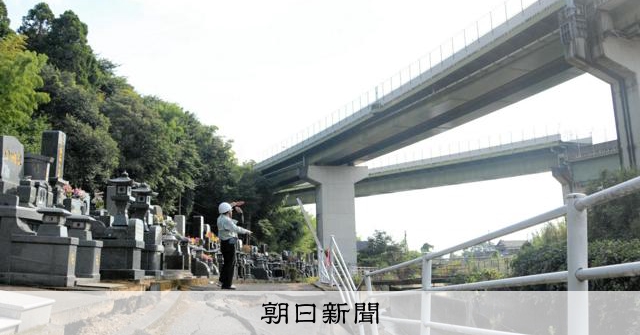
The Kumamoto earthquake, which struck on April 14, 2016, left behind significant damage, including the forceful extraction of water pipes and the destruction of an expressway due to fault movement. Researchers were astonished by the sheer power of the fault rupture, which demonstrated a force capable of such widespread devastation. The event highlighted the immense geological forces at play beneath the surface and their direct impact on critical infrastructure. The damage served as a stark reminder of the vulnerability of human-made structures to natural seismic activity. The earthquake's aftermath necessitated extensive repair work and raised important questions about seismic resilience and urban planning in earthquake-prone regions. The visible scars left by the fault's movement underscored the profound and lasting effects of seismic events on the landscape and society. The scientific community continues to study the Kumamoto earthquake to better understand fault mechanics and improve earthquake preparedness.
The Kumamoto earthquake's impact on infrastructure, such as the displacement of water pipes and damage to expressways, illustrates the critical interplay between geological fault lines and human development. The event underscores the need for advanced seismic hazard assessments that account for the extreme forces capable of rupturing the ground and disrupting essential services. Future urban planning and infrastructure design in seismically active zones must integrate a more profound understanding of fault behavior, potentially incorporating flexible or resilient systems that can better withstand such powerful geological events. This incident serves as a case study for reassessing engineering standards and land-use policies to mitigate risks associated with future seismic activity in the coming decade.
AI-generated to prompt reflection — not editorial opinion, not advice, not a statement of fact. How this works.
