Kumamoto Hit by Violent Magnitude 7 Earthquake, Stronger Than Previous Quake
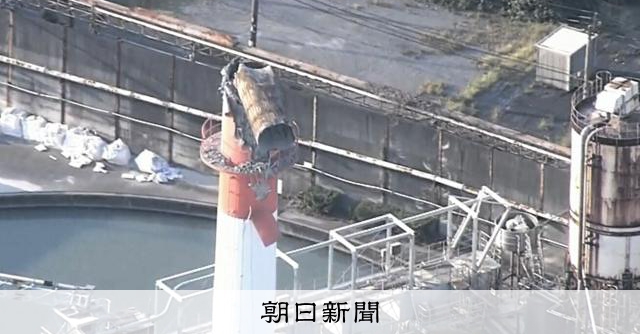
A powerful earthquake, registering a maximum seismic intensity of 7, struck Kumamoto, Japan. Residents described the quake as more violent and longer-lasting than a previous seismic event. The intensity of the shaking has raised concerns about the potential for significant damage and aftershocks. Emergency services are assessing the situation and providing aid to affected areas. The magnitude of the earthquake indicates a substantial release of energy along a fault line. Further details on the specific location, depth, and potential impact are being gathered by geological survey teams. The government has issued advisories for residents to remain vigilant and prepared for subsequent tremors. The event underscores the seismic vulnerability of the region and the importance of robust disaster preparedness measures. Authorities are working to ensure public safety and restore essential services.
The seismic event in Kumamoto, characterized by its intensity and perceived violence compared to prior quakes, highlights the inherent unpredictability of geological forces. While the immediate focus is on rescue and recovery, understanding the specific fault mechanics and energy release dynamics will be crucial for long-term risk assessment. This incident prompts a review of seismic monitoring capabilities and infrastructure resilience in earthquake-prone regions. Future preparedness strategies should consider not only magnitude but also the qualitative experience of shaking, as reported by residents, to better inform public safety messaging and emergency response protocols. The event serves as a reminder of the ongoing need for technological advancement in earthquake prediction and mitigation efforts.
AI-generated to prompt reflection — not editorial opinion, not advice, not a statement of fact. How this works.