Kuno National Park: The Unsung Heroes Behind the Cheetah Project
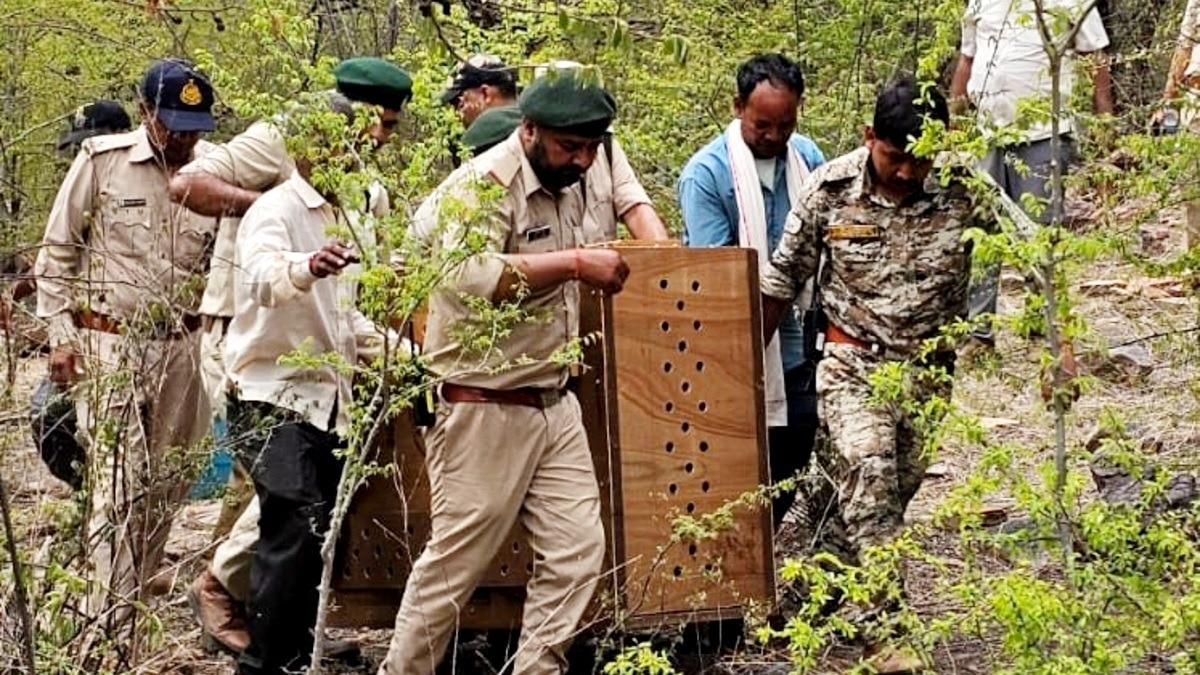
A dedicated field team is working around the clock at Kuno National Park to ensure the success of the cheetah reintroduction project. Operating under extreme conditions, including temperatures reaching 45 degrees Celsius and navigating swollen rivers, this 'anonymous team' is providing 24-hour surveillance for the 49 cheetahs. Their efforts are crucial for the ongoing monitoring and well-being of the big cats, aiming to secure the future of the cheetah population in India. The report highlights the often-unseen dedication of these individuals who are vital to the project's survival and success. Their commitment in challenging environments underscores the significant human effort involved in conservation initiatives.
The intensive, 24/7 monitoring of cheetahs in Kuno National Park, especially under harsh environmental conditions, highlights the significant resource commitment required for large-scale wildlife reintroduction programs. This operational intensity suggests a potential systemic challenge in balancing ambitious conservation goals with the sustainability of human and financial resources over the long term. Future planning should consider scalable monitoring technologies and community-based conservation models to alleviate pressure on field teams and ensure program resilience against environmental and logistical hurdles. The success of such projects hinges not only on animal welfare but also on the long-term viability of the human infrastructure supporting them.
AI-generated to prompt reflection — not editorial opinion, not advice, not a statement of fact. How this works.