Kupchan: Israel is a problem for the US, Ukraine increasingly less so
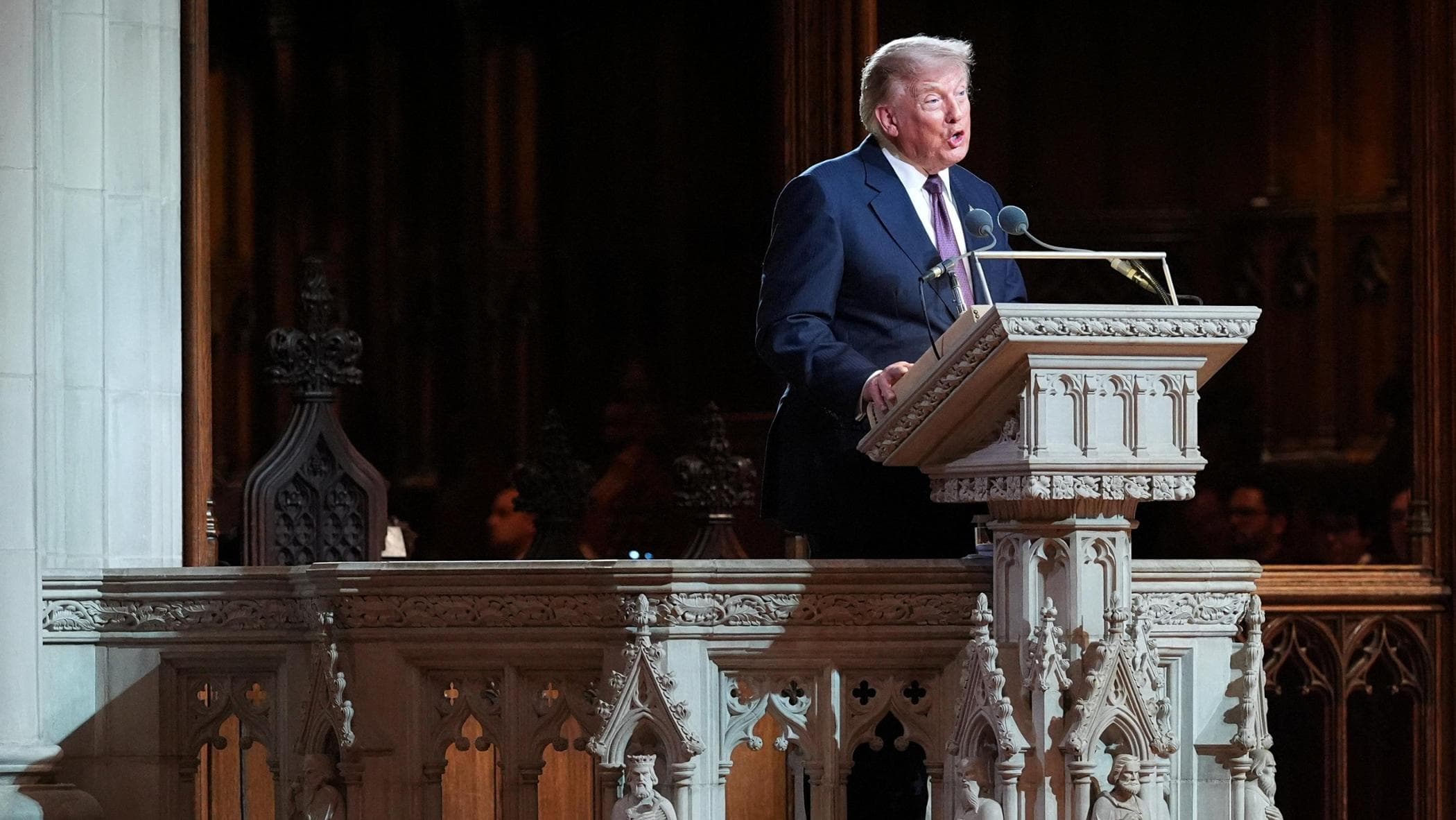
Political scientist Charles Kupchan observed starkly different outcomes from former President Donald Trump's recent meetings with Israeli Prime Minister Benjamin Netanyahu and Ukrainian President Volodymyr Zelensky. This divergence, Kupchan explains, highlights a significant shift in how the United States perceives the crises in Israel and Ukraine. The meetings reportedly underscored that while Ukraine's challenges are diminishing in the eyes of American policymakers, Israel's situation has become more problematic. This assessment suggests a recalibration of US foreign policy priorities and strategic interests in the Middle East and Eastern Europe. The differing receptions and perceived importance of these two ongoing conflicts reflect evolving geopolitical dynamics and the specific concerns each nation presents to American leadership. Kupchan's analysis points to a potential re-evaluation of alliances and support based on current and future strategic considerations for the United States.
The differing perceived importance of the Israeli and Ukrainian crises for the United States, as suggested by Charles Kupchan's observations of Donald Trump's meetings, may reflect a complex interplay of geopolitical interests, domestic political considerations, and evolving global threats. From a strategic perspective, the US has historically maintained a strong commitment to Israel's security, while its support for Ukraine has intensified in response to Russian aggression. However, shifts in regional stability, the potential for wider conflict, and the resource demands of each situation could influence future US policy. The analysis suggests that policymakers are continuously weighing the costs and benefits of international engagement, seeking to align foreign policy with perceived national interests and to manage escalating global complexities in an era of increasing multipolarity and technological disruption.
AI-generated to prompt reflection — not editorial opinion, not advice, not a statement of fact. How this works.