Kushtia Jamaat-e-Islami Secretary Removed for Teaching at Girls' College
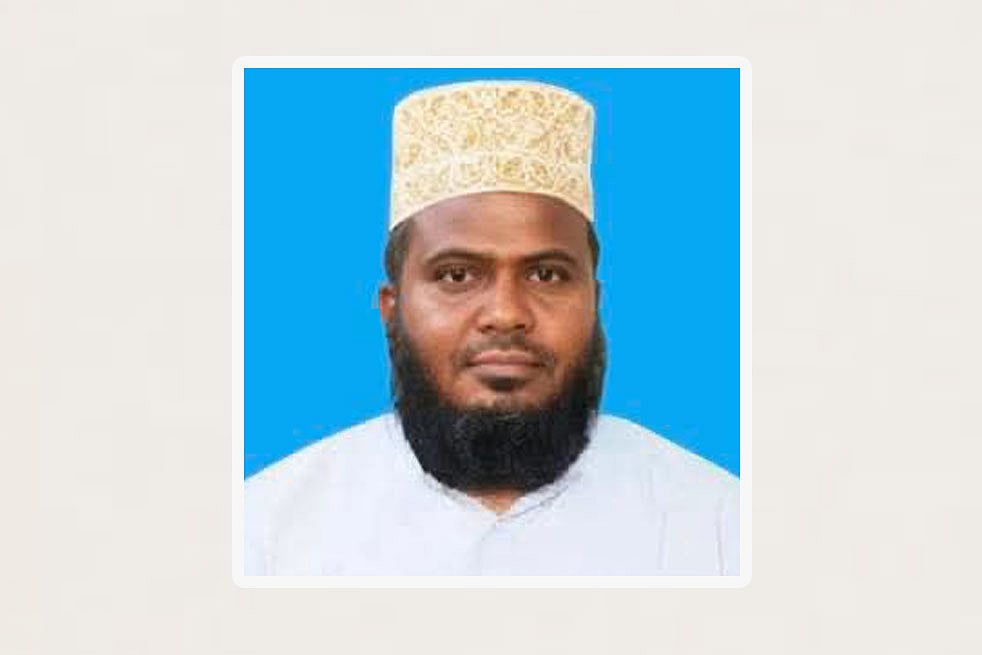
The Secretary of the Kushtia district unit of Bangladesh Jamaat-e-Islami has been removed from his position. This action was taken following a central decision by the party. The party's directive states that no male member of Bangladesh Jamaat-e-Islami can hold a leadership role (Rukn) if they are employed at an educational institution for females. The specific reason for the secretary's removal is his employment as a teacher at a girls' college. This policy aims to enforce a specific interpretation of gender roles within the organization's membership and leadership structure. The central committee's decision underscores a strict adherence to their internal regulations regarding professional conduct and gender segregation in educational settings.
The Jamaat-e-Islami's decision to remove a district secretary for teaching at a girls' college highlights a rigid adherence to its interpretation of gender segregation within its organizational framework. This policy reflects an internal governance structure prioritizing specific social and religious interpretations over potential professional contributions or broader societal norms. From a systemic perspective, such directives can create internal contradictions, potentially limiting the organization's reach and influence by alienating members who do not conform to these strictures. Looking ahead, organizations maintaining such policies may face increasing challenges in adapting to evolving societal expectations regarding gender roles and professional inclusivity in the coming decade.
AI-generated to prompt reflection — not editorial opinion, not advice, not a statement of fact. How this works.